 how-to
Fast Home Painting for Selling Property: 2026 Guide
Table of Contents
- Why Fast Home Painting for Selling Property Pays Off
- Best Neutral Paint Colors for Home Resale
- How Long Does It Take to Paint a House Interior?
- How to Fix Peeling Interior Paint Before You List
- Essential Interior Painting Tools for Speed
- Common Painting Mistakes That Hurt Resale Value
- Faster Home Painting for Selling Property: Your Next Step
- Frequently Asked Questions
Last Updated: September 25, 2026
Why Fast Home Painting for Selling Property Pays Off
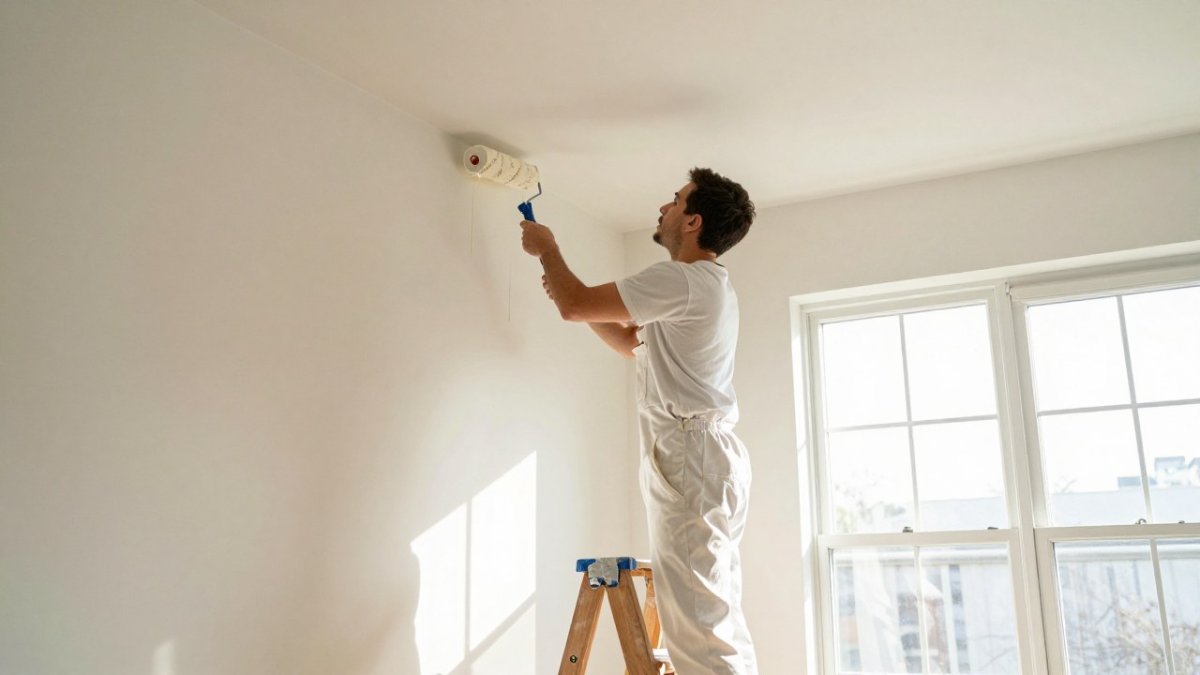
Fast home painting for selling property is the quickest way to lift buyer interest before your listing goes live. At ScreenCoat Painting & Flooring, we've watched it happen for years: a tired room gets a fresh coat, and suddenly the whole house shows better.
Buyers decide in seconds. They walk in, scan the walls, and form an opinion before they reach the kitchen. Scuffed trim and dated colors read as "project," and projects scare people off.
Here's the part most sellers miss: you're not painting for your taste. You're painting for theirs. That shift in thinking changes everything about color, finish, and how much time you spend.
Below, we break down the fastest path from "worn out" to "move-in ready," including the colors that sell and the mistakes that cost you offers.
What Buyers Notice in the First 30 Seconds
The National Association of Realtors points to NAR's home staging research showing that most buyers start their search online, and photos drive the first showing. Walls show up in every single photo.
So what registers in those first 30 seconds?
- Wall color and how light hits it
- Scuffs, dents, and peeling edges
- Trim and ceiling contrast
- Odor (fresh paint smells clean, old paint smells lived-in)
Buyers don't inspect. They react. A calm neutral palette reads as "well cared for," while bold or patchy walls read as "work."
That's the whole game. You want a blank canvas that lets buyers picture their own furniture in the space.
Best Neutral Paint Colors for Home Resale
The best neutral paint colors for home resale are warm beige, soft white, and calming gray. These three families work in almost every room because they flatter natural light and don't fight with furniture. But the real advantage comes from knowing which rooms deliver the highest return and which sheen to use in each space.
Room-by-Room ROI: Where Paint Pays Off Most
Not all rooms are equal when you're painting to sell. Prioritizing certain rooms can maximize the impact of painting. Here's how to prioritize:
| Room | Why It Matters | Recommended Color Family | Recommended Sheen |
|---|---|---|---|
| Kitchen | Buyers scrutinize cleanliness and light; cabinets and walls show wear first | Soft white or warm beige | Satin or semi-gloss on walls behind counters; flat on ceilings |
| Bathrooms | Moisture and mildew concerns make fresh paint a trust signal | Calming gray or soft white | Satin or semi-gloss for wipeability |
| Living room | Sets the emotional tone for the whole showing | Warm beige or calming gray | Eggshell for durability without shine |
| Primary bedroom | Buyers imagine themselves here; calm sells | Soft white or warm beige | Eggshell or flat |
| Hallways and trim | High-touch areas show scuffs immediately | Soft white | Semi-gloss for trim; eggshell for walls |
A common mistake is painting every room the same sheen. Flat paint hides imperfections on ceilings and low-traffic walls, but it scuffs easily in hallways and kids' rooms. Satin and semi-gloss hold up to wiping in kitchens and bathrooms, but they highlight wall flaws. Match the sheen to the room's function, not just the color.
Why These Colors Work (and When Gray Doesn't)
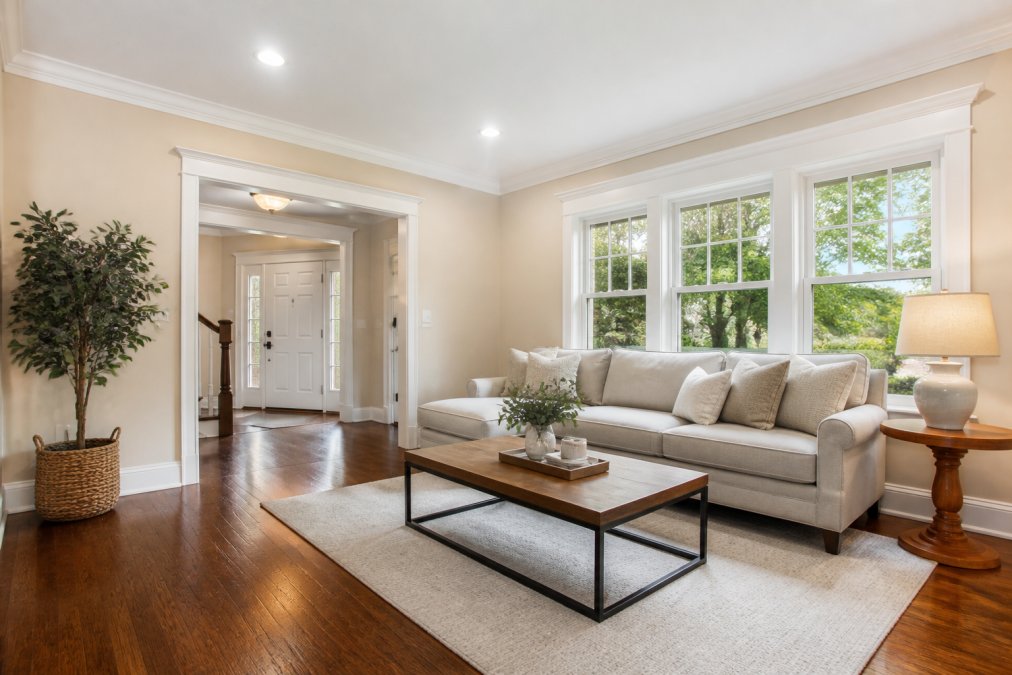
Warm beige suits living rooms and hallways because it reflects warm light and feels inviting without being bold. Soft white opens up small rooms and ceilings by maximizing perceived space.
How Long Does It Take to Paint a House Interior?
Painting a full house interior typically takes three to five days for a professional crew, depending on size and prep work. A single room is usually a one-day job.
Here's a rough timeline for a standard three-bedroom home:
| Task | Time | Notes |
|---|---|---|
| Surface prep and patching | 1 day | Sanding, filling, taping |
| Ceilings and trim | 1 day | Often the slowest part |
| Walls, first coat | 1 day | Cut in, then roll |
| Walls, second coat | 1 day | Dry time between coats |
| Touch-ups and cleanup | Half day | Final walkthrough |
How to Fix Peeling Interior Paint Before You List
Fixing peeling interior paint means scraping the loose material, sanding the edges, priming the bare spots, and repainting. Skip any of those steps and the peel comes back, often right before a showing.
Here's the order that works:
- Scrape all loose and flaking paint with a putty knife.
- Sand the edges so they blend into the surrounding wall.
- Find the cause. Look for leaks, damp patches, or bubbling near windows and bathrooms.
- Prime the bare spots with a bonding primer.
- Patch any cracks or holes, then sand smooth.
- Repaint the whole wall, not just the patch, so it blends.
Essential Interior Painting Tools for Speed
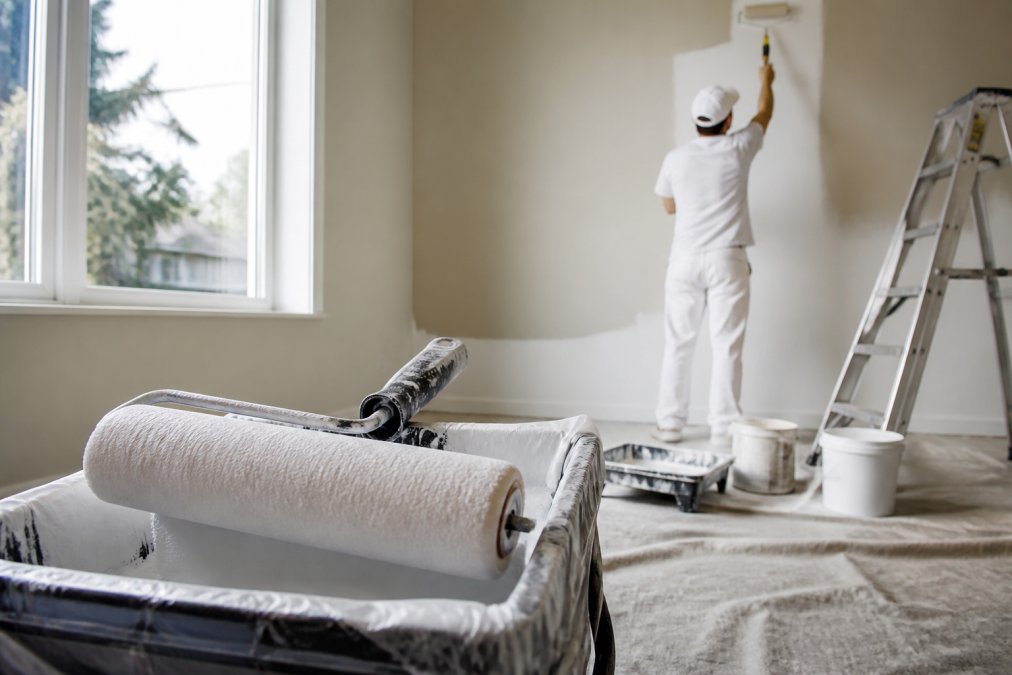
The right interior painting tools for speed are a quality roller, an angled brush, painter's tape, a drop cloth, and a pole extension. Cheap tools slow you down and leave marks. But speed isn't just about having the tools, it's about using them in the right order and knowing which shortcuts actually work.
The One-Weekend Supply Checklist
If you're painting a single room or a small area over a weekend, here's exactly what you need. This list assumes you're working alone and want to finish in two days.
- Sanding block and fine-grit paper (for scuffing glossy surfaces)
- Painter's tape (blue or green, not masking tape)
- Drop cloths (canvas, not plastic, plastic slips)
- Roller with a 9-inch frame and 3/8-inch nap cover
- Angled 2-inch brush for trim and corners
- Primer (bonding primer for bare spots or color changes)
- Interior paint in your chosen sheen (one gallon per 350-400 square feet)
- Stir sticks and a damp rag
- Pole extension (saves ladder time on ceilings)
- Small bucket and grid (for cutting in without a tray)
Speed Mechanisms That Actually Work
Most people lose time to three things: drying between coats, cutting in twice, and running out of paint. Here's how to avoid each.
Tools That Waste Time (and Money)
Not every tool earns its place. Skip these:
- Plastic drop cloths, they slip, tear, and don't absorb drips.
- Cheap roller covers, they shed lint and leave a stippled texture.
- Masking tape, it bleeds and leaves residue. Painter's tape is worth the extra cost.
- Paint sprayers for small jobs, the setup and cleanup time outweighs the speed for one or two rooms.
A common pattern is that DIYers buy a sprayer thinking it will save time, then spend an hour taping and masking. For a single room, a roller and brush are faster from start to finish.
Common Painting Mistakes That Hurt Resale Value
The mistakes that hurt resale value are sloppy edges, wrong sheen, bold personal colors, and skipped prep. Each one signals to buyers that the home wasn't maintained.
Let's be blunt about the worst offenders:
- Bold accent walls that match your taste, not the market
- Glossy paint on uneven walls that highlights every flaw
- Paint on the trim, outlets, or hardware from rushed taping
- One coat over a dark color, leaving it patchy
Faster Home Painting for Selling Property: Your Next Step
Speed matters when you're racing a listing date. But fast only works when the prep is right. Rushed prep shows up in photos, and photos are where buyers decide.
Frequently Asked Questions
What color house sells the fastest?
Homes painted in neutral tones consistently sell faster because they let buyers see a blank canvas. Warm beige, soft white, and calming gray are the top performers. These shades photograph well in listing photos and work with almost any furniture style, which widens your pool of interested buyers. Skip bold accent walls and trendy colors that can make rooms feel smaller or dated.
Is it worth painting the entire interior before listing a property?
In most cases, yes, but prioritize high-traffic areas first. Kitchens, living rooms, entryways, and hallways take the most wear and get the most attention from buyers. If your budget or timeline is tight, focus on those spaces and touch up scuffed trim and doors elsewhere. A consistent neutral color palette throughout the home creates a cohesive look that supports a higher property valuation.
How can I speed up the painting process when preparing to sell?
Start with surface preparation, then use the right tools. Wider rollers (18-inch) can cut time on large walls. Use painter's tape on trim before you start, and paint the ceiling first so drips do not ruin finished walls. Work top to bottom, one room at a time, and keep a wet edge to avoid lap marks.
Should I focus on high-traffic areas when painting for a quick sale?
High-traffic areas are the highest-ROI rooms to paint. Entryways, kitchens, bathrooms, and hallways show wear first and get scrutinized most during showings. A fresh coat in these spaces delivers a professional finish that signals the home is well maintained. Bedrooms and formal dining rooms matter less, so if time is short, paint the busy rooms and spot-treat the rest.