 ultimate-guide
How to Choose Interior Paint Finish: Sheen Guide
Last Updated: October 23, 2026
Quick Summary
To choose an interior paint finish, pick sheen by room function first, then adjust for wall condition. Flat and matte hide flaws but clean poorly, eggshell and satin cover most rooms, and semi-gloss or high-gloss suit trim, doors, cabinets, and bathrooms where durability matters most.
- Flat and matte finishes reflect almost no light, hiding dents, patches, and wall texture well.
- Eggshell suits living rooms, dining rooms, and family rooms; satin suits kitchens, bathrooms, and kids' rooms.
- Semi-gloss belongs on trim, doors, cabinets, and bathroom walls because grease and moisture wipe off.
- Flat is standard on ceilings because it hides drywall seams and reflects no glare downward.
- Never use a magic eraser or melamine sponge on flat or matte paint, as it leaves visible patches.
Table of Contents
- Paint Sheen Levels at a Glance
- Flat and Matte Finishes: Soft Looks That Hide Flaws
- Eggshell and Satin: The Middle Ground
- Semi-Gloss and High-Gloss: Where Durability Wins
- Best Paint Sheen for Living Room Walls
- Choosing Paint Sheen for Trim and Doors
- How to Clean Different Paint Finishes
- How to Fix Peeling Interior Paint
- Frequently Asked Questions
Paint Sheen Levels at a Glance
Learning how to choose interior paint finish starts with one fact: sheen is measured by how much light a dried film reflects, and that single property drives durability, washability, and how forgiving the paint is over imperfect walls. Below is the short version before we go finish by finish.
| Finish | Sheen Level | Light Reflection | Durability | Best For |
|---|---|---|---|---|
| Flat | Lowest | Absorbs most light | Low | Ceilings, low-traffic walls |
| Matte | Low | Soft, diffused | Low to moderate | Bedrooms, living rooms |
| Eggshell | Low-medium | Gentle glow | Moderate | Hallways, family rooms |
| Satin | Medium | Noticeable sheen | High | Kitchens, bathrooms, trim |
| Semi-gloss | High | Reflective | Very high | Trim, doors, cabinets |
| High-gloss | Highest | Mirror-like | Highest | Doors, accents, furniture |
The Paint Quality Institute's finish guidance is worth reading before you buy, because label terminology varies between manufacturers. "Matte" from one brand can sit closer to another brand's eggshell.
Flat and Matte Finishes: Soft Looks That Hide Flaws
Flat and matte finishes reflect almost no light, which is exactly why they hide surface imperfections so well. Dried flat paint scatters light in every direction instead of bouncing it back, so dents, patches, and wall texture disappear into a soft, even appearance.
That softness costs you cleanability. Flat paint has a chalky, porous film, and scrubbing it aggressively can burnish the surface or wear through to the primer. On a low-traffic bedroom wall, that trade-off is fine. In a hallway where kids drag backpacks, it is not.
Pros: hides flaws, rich color depth, easy touch-up, cheapest per gallon in most lines. Cons: poor washability, marks easily, not suited to kitchens or bathrooms.
A common mistake is using flat everywhere to save money, then repainting the busy rooms two years later. If you want the flat look with more forgiveness, ask for a washable matte, which uses a tighter binder while keeping the low sheen.
Eggshell and Satin: The Middle Ground
Eggshell and satin sit between flat and gloss, and they cover most of the rooms in a typical house. Eggshell carries a low, velvety sheen that reflects a gentle glow, while satin reflects more light and forms a harder, more washable film.
Here is the practical split we use on estimates: eggshell for living rooms, dining rooms, and family rooms where you want some cleanability without shine; satin for kitchens, bathrooms, kids' rooms, and any wall that gets wiped down regularly. Satin cleans up far better, but it also telegraphs every drywall patch and roller mark.
Neither finish is "better." They solve different problems.
Semi-Gloss and High-Gloss: Where Durability Wins
Semi-gloss and high-gloss form the hardest, most reflective films in the lineup. Semi-gloss gives you a durable, scrubbable surface with a clear sheen, and high-gloss pushes reflection to a near-mirror finish that shows every imperfection in the substrate.
That durability is why semi-gloss belongs on trim, doors, cabinets, and bathroom walls. Grease, fingerprints, and moisture wipe off without dulling the film. High-gloss works beautifully on doors, furniture, and accent millwork, but only when the surface underneath is genuinely smooth. On a wavy old door, high-gloss will announce every dent.
Pros: excellent washability, hard film, resists moisture and scuffing. Cons: unforgiving over flaws, shows lap marks, harder to touch up invisibly.
If you are coming from flat paint and worried about shine, semi-gloss on trim only, with eggshell on the walls, is the safest first step.
Best Paint Sheen for Living Room Walls
The best paint sheen for living room walls is eggshell or a washable matte, because living rooms need a soft appearance with enough cleanability to survive daily life. Eggshell reflects light gently, keeps colors looking rich, and wipes clean without the glare that satin throws across a large wall.
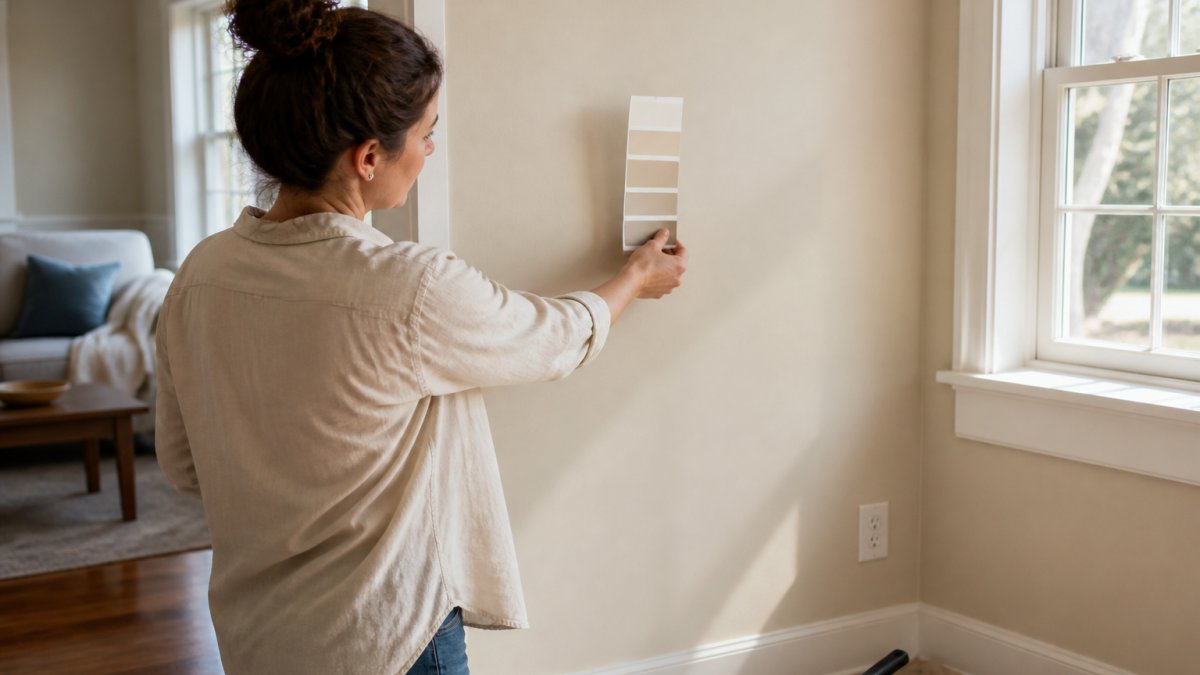
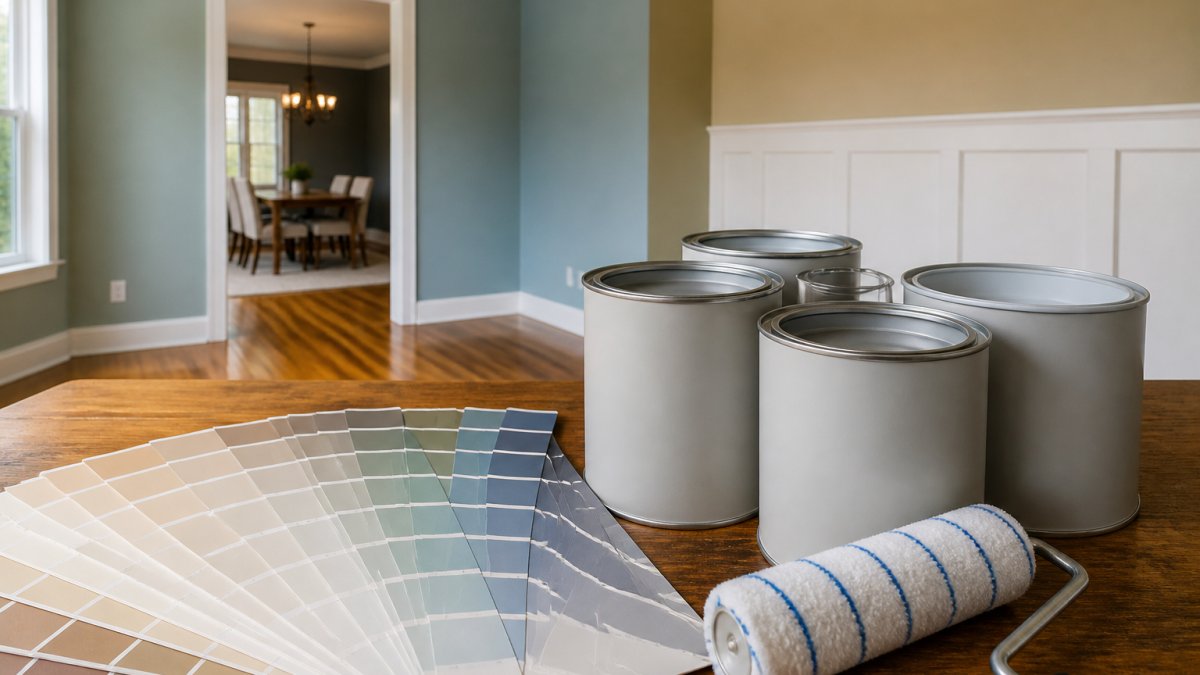
Lighting changes the decision more than most guides admit. A south-facing living room floods with direct sun that amplifies sheen, so satin can look glossy by mid-afternoon. A north-facing room stays dim, and a flat finish there can read as chalky and lifeless. Hold your sample card against the wall at different times of day before you commit.
Color matters too. Deep pigments in a higher sheen look saturated and jewel-like; the same color in flat looks softer and more muted.
Choosing Paint Sheen for Trim and Doors
Choosing paint sheen for trim and doors comes down to handling.
Trim and baseboard. Semi-gloss is the default because it wipes clean of scuffs, shoe marks, and vacuum bumps. Satin works on newer trim with crisp edges where you want less shine.
Doors. A semi-gloss or high-gloss door wipes clean of handprints and stands up to constant touching.
Cabinets. Semi-gloss is the workhorse for painted cabinets because it resists grease and cleans easily. High-gloss looks sharp on flat-panel doors but shows every fingerprint and imperfection in the substrate.
Ceilings. Flat is standard overhead because it hides drywall seams and reflects no glare down into the room. Bathroom ceilings benefit from a satin or bathroom-rated finish that resists moisture.
Wainscoting and paneling. Eggshell or satin gives paneling a subtle depth without the glare of semi-gloss.
Radiators and HVAC covers. Semi-gloss handles the heat and cleaning better than flat, and it resists yellowing in most modern waterborne formulas.
A common pattern is to pick one sheen for all trim and another for all doors, then regret the door choice because it shows brush marks. Test a sample board on the actual substrate before committing, especially on doors and cabinets where the surface is viewed up close.
How to Clean Different Paint Finishes
How you clean different paint finishes depends on the film hardness, and getting it wrong is how walls get shiny patches. Match the method to the sheen, and understand why the method works before you scrub.
- Flat and matte: dust with a soft cloth or vacuum brush; spot-clean gently with a damp sponge and mild soap, no scrubbing. Flat films are porous and chalky, so aggressive rubbing burnishes the surface and leaves a permanent sheen mark.
- Eggshell: wipe with a damp microfiber cloth and a drop of dish soap; rinse and dry. Eggshell has a tighter binder than flat but still benefits from light pressure and a rinse to remove soap residue.
- Satin: mild all-purpose cleaner on a soft sponge is safe; avoid abrasive pads. Satin films are hard enough to tolerate repeated wiping, but scouring powders dull the surface and create contrast patches.
- Semi-gloss and high-gloss: most household cleaners work; skip scouring powders that dull the film. These films are the most forgiving, but solvent-heavy cleaners can soften fresh paint.
Always test in a hidden corner first. Fresh paint needs time to fully cure before washing, and scrubbing too early softens the film. Waterborne paints typically need several days to a couple of weeks to reach full hardness, depending on humidity and film thickness.
Touch-up and repair. Matching sheen during repairs is where most cleaning advice stops short.
Preparation before cleaning. Remove loose dust first, because grit on a sponge acts like sandpaper on any film. Use two buckets or a clean rinse water supply so you are not redistributing dirt. Dry the surface after wiping to prevent water spots and soap haze.
A common pattern is to clean a whole wall with the same product that worked on a small spot, only to find the sheen has changed across the surface. Test the cleaner on a small area and let it dry fully before committing to the full wall.
How to Fix Peeling Interior Paint
Peeling paint is a moisture and adhesion problem, not a paint problem, so recoating without prep just buys you another peel. Fix it in order:
- Scrape all loose and flaking paint back to a sound edge with a putty knife.
- Find the moisture source and correct it. Peeling near windows, bathrooms, and exterior walls usually traces to leaks or poor ventilation.
- Sand the edges smooth and feather them into the surrounding paint.
- Prime the bare spots with a bonding primer suited to the surface.
- Patch any cracks or holes, then sand flush.
- Repaint with a finish matched to the room.
Skipping step two is the mistake almost everyone makes. Paint will not bond to a damp or dirty substrate, no matter how good the product.
Frequently Asked Questions
What paint finish do you use for interior walls?
Most interior walls use flat, matte, or eggshell. Flat and matte hide imperfections and give a soft appearance, which suits low-traffic living rooms and bedrooms. Eggshell adds washability for hallways and family rooms. For a full interior paint finish plan, match the sheen to the room's traffic and cleaning needs rather than picking one sheen for the whole house.
What is the most durable paint finish for high-traffic areas?
Semi-gloss and gloss finishes hold up best in high-traffic areas because their tighter surface resists scuffs and wipes clean easily. Use semi-gloss on trim, doors, cabinets, and bathroom walls. On large wall areas, semi-gloss can highlight surface imperfections, so many homeowners choose satin for hallways and reserve semi-gloss for the surfaces that take the most contact.
What is the difference between eggshell and satin finishes?
Eggshell has a low, soft sheen that reflects a little light and hides minor wall texture. Satin sits a step higher, with more light reflection and better washability. In practice, eggshell suits living rooms and bedrooms, while satin works in kitchens, hallways, and kids' rooms where walls get touched and cleaned more often.
Can you use semi-gloss paint on walls?
Yes, semi-gloss can go on walls, and it is a practical choice for bathrooms, kitchens, and laundry rooms because it resists moisture and cleans easily. The trade-off is that its reflective surface shows dents, patches, and roller marks. If the wall texture is uneven, fix surface imperfections first or choose satin instead.
How does paint sheen affect the appearance of wall imperfections?
Higher sheen reflects more light, which makes bumps, patches, and drywall seams easier to see. Lower sheen absorbs light and softens those flaws. If your walls have been repaired or have visible texture, flat or matte is the safer pick. Smooth, well-prepped walls can carry eggshell, satin, or semi-gloss without drawing attention to the surface.
Which paint finish is best for bathrooms and kitchens?
Satin or semi-gloss works best in bathrooms and kitchens. Both resist moisture and stand up to frequent cleaning. Semi-gloss is common on trim, doors, and cabinets, while satin is easier to live with on large wall areas. Pair the sheen with a quality primer and good ventilation to help the finish last.
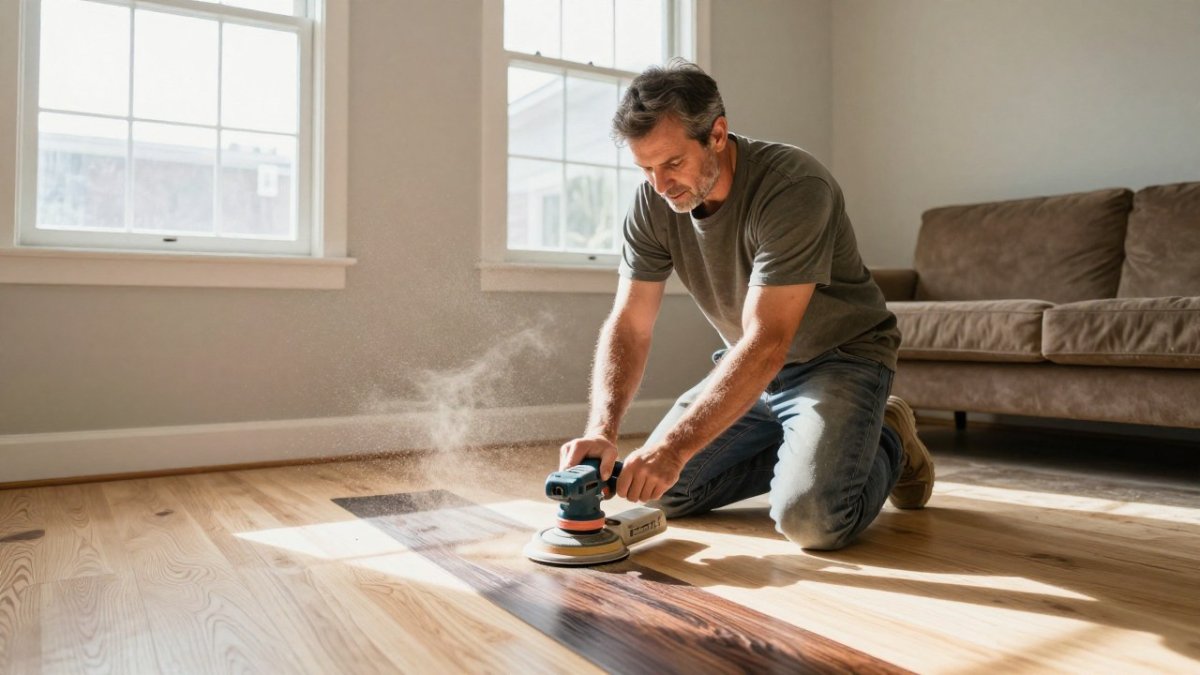
Peeling paint, dull walls, and worn floors usually show up together when you are getting a home ready. If your project includes restoring hardwood floors alongside fresh interior paint, Hardwood Floor Refinishing & Restoration handles both, with free in-home estimates, careful preparation, and dependable scheduling backed by more than a decade of local work since 2012. Get your free estimate and walk through the sheen and finish choices room by room before anything gets ordered.