 ultimate-guide
Interior Painting Cost Per Square Foot: 2026 Guide
Table of Contents
- What Interior Painting Cost Per Square Foot Actually Covers
- Average Cost to Paint Interior of House: What Homeowners Should Expect
- Factors Affecting Interior Painting Quotes: What Moves the Number
- How to Calculate Paint Needed for a Room
- Hidden Costs of Complex Architecture and Older Homes
- Professional Contractor vs. DIY: Where the Money Goes
- Contractor Vetting Checklist Before You Sign
- Frequently Asked Questions
Last Updated: October 2, 2026
What Interior Painting Cost Per Square Foot Actually Covers
Interior painting cost per square foot is the total price a painter charges for each square foot of wall, ceiling, and trim surface, divided into three buckets: labor, materials, and preparation. Understanding this breakdown is the difference between comparing quotes fairly and getting blindsided by a final invoice.
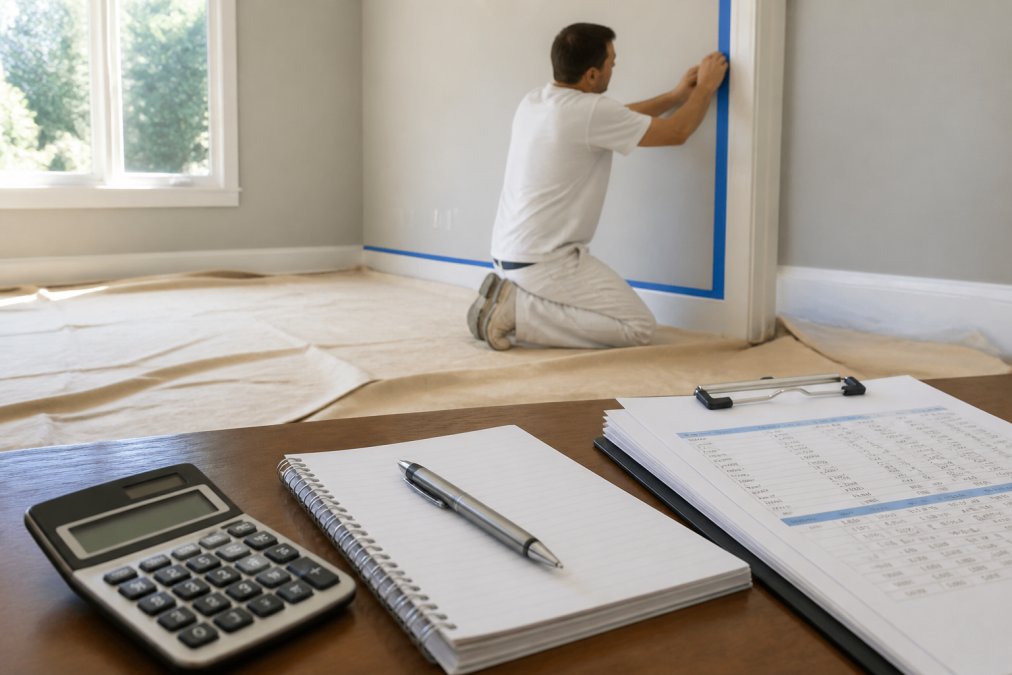
Labor, Materials, and Prep: The Three Cost Buckets
Labor covers the hours a crew spends masking, cutting in, rolling, and cleaning up. It's typically the largest share of any interior painting quote.
Average Cost to Paint Interior of House: What Homeowners Should Expect
The average cost to paint the interior of a house depends on total paintable square footage, ceiling height, trim volume, and how much repair the walls need. Two homes of identical size can land far apart on price for that reason alone.
Here's how the scope typically breaks down:
| Scope Level | What It Includes | Typical Time Investment |
|---|---|---|
| Refresh | One coat, light patching, no color change | 1-2 days for a whole house |
| Standard repaint | Two coats, full prep, walls and ceilings | 3-5 days |
| Full transformation | Color change, trim, doors, repairs, primer | 5-10 days |
Room-by-Room Cost Drivers
Not all rooms are priced equally. Painters often adjust their per-square-foot rate based on complexity:
- Bedrooms and living rooms: Standard height, few obstructions. These are the baseline rooms.
- Kitchens and bathrooms: Cabinets, tile, and fixtures require careful masking and cutting in. Expect a higher labor share.
- Hallways and stairwells: Tight spaces and tall walls slow the crew down. Scaffolding or ladders add time.
- Ceilings: Often priced separately because they require different prep and a different paint sheen.
Why Square Footage Alone Never Tells the Full Story
Two rooms with the same floor plan can carry wildly different paint jobs. A bedroom with four empty walls is fast work. A dining room with built-ins, a chair rail, and nine windows is not.
Factors Affecting Interior Painting Quotes: What Moves the Number
Factors affecting interior painting quotes come down to surfaces, access, and condition. The more irregular the surfaces and the harder they are to reach, the more labor hours the job absorbs.
Paint Quality Tiers and How Long They Last
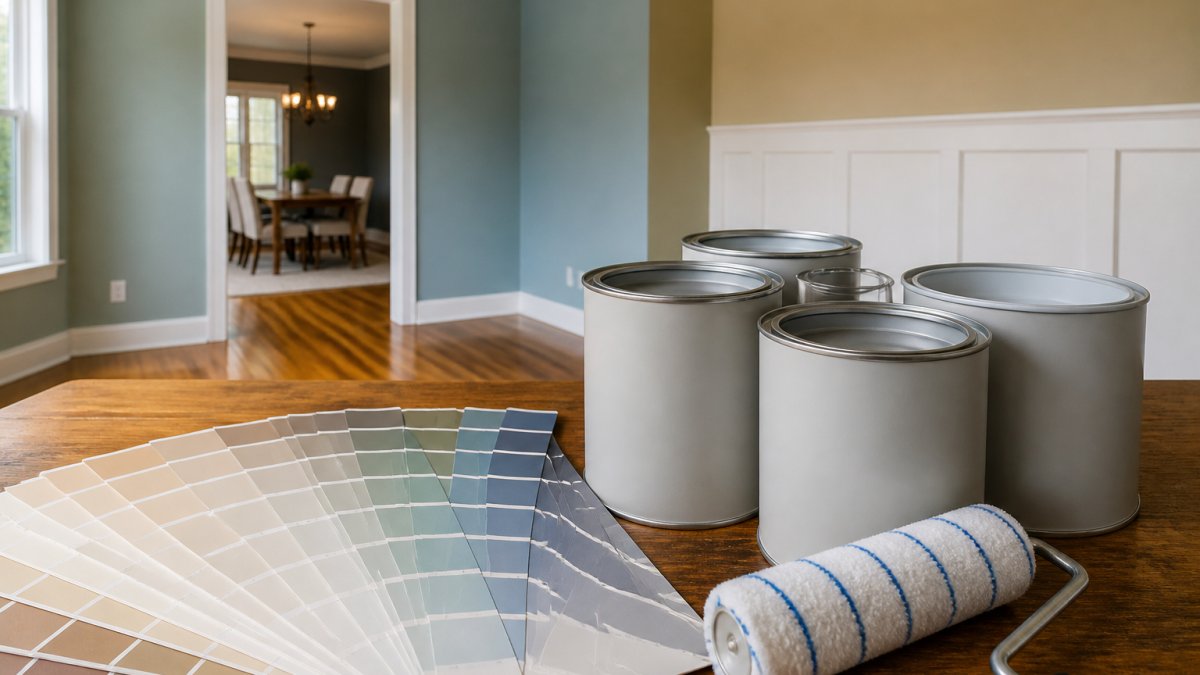
Paint quality tiers separate a job that looks tired in three years from one that holds up for a decade. Budget paints have less resin and thinner pigment, so they scuff, fade, and wash poorly.
Regional Labor Rate Variance
Labor rates swing widely by region, and even between neighboring towns. Dense metro areas with high demand and tight contractor availability push hourly rates up. Rural areas usually run lower.
How to Calculate Paint Needed for a Room
To calculate paint needed for a room, add the wall square footage, subtract doors and windows, then divide by the paint's coverage rate and multiply by the number of coats.
Here's the formula in practice:
- Measure wall length times height for each wall, then total them
- Subtract about 20 square feet per door and 15 per window
- Divide by the gallon yield, usually 350 to 400 square feet
- Multiply by coats, typically two
- Add 10 percent for touch-ups and waste
Hidden Costs of Complex Architecture and Older Homes
Hidden costs of complex architecture show up in labor hours, not materials. Vaulted ceilings, skylights, open stairwells, and two-story foyers require ladders, scaffolding, and slow, careful cutting in.
Professional Contractor vs. DIY: Where the Money Goes
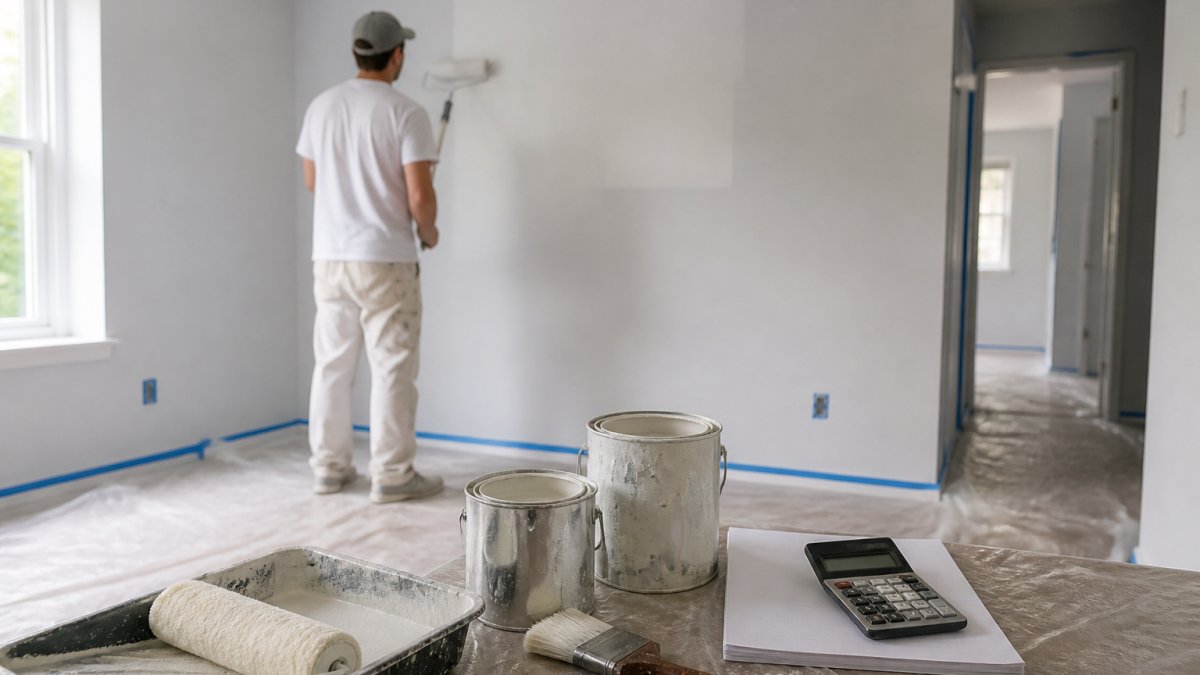
Professional painting buys speed, surface prep, and a finish that holds. DIY saves the labor line but adds your weekends, and prep quality usually suffers first.
The honest trade-off:
- Pros of hiring a pro: proper prep, clean lines, insurance, and a crew that finishes in days, not months
- Cons of hiring a pro: higher upfront cost and scheduling lead time
- Pros of DIY: material costs only, full control of timing
- Cons of DIY: ladders, taping errors, and a finish that shows every shortcut
The Hidden Cost of DIY: Your Time and Mistakes
Most DIY painting guides focus on material savings but ignore the value of your time and the cost of fixing mistakes. A whole-house repaint that a pro crew finishes in four days might take you three weekends. If you value your time at even a modest hourly rate, the savings shrink fast.
When DIY Makes Sense
DIY is a good fit when:
- The project is a single room with simple walls and no repairs
- You already own ladders, drop cloths, and quality brushes
- You're repainting the same color or a similar shade
- You have the time to do proper prep and two coats
For anything involving ceiling height above 10 feet, water damage, or lead paint in pre-1978 housing, the risk and regulatory burden tip the scale toward hiring a certified professional.
A Contractor Vetting Checklist Before You Sign
- Written estimate with labor, materials, and prep listed separately
- Proof of liability insurance and workers' compensation
- Three local references you can actually call
- A clear start date and completion window in the contract
- Payment schedule tied to milestones, not upfront
- Written policy on surprise repairs found mid-job
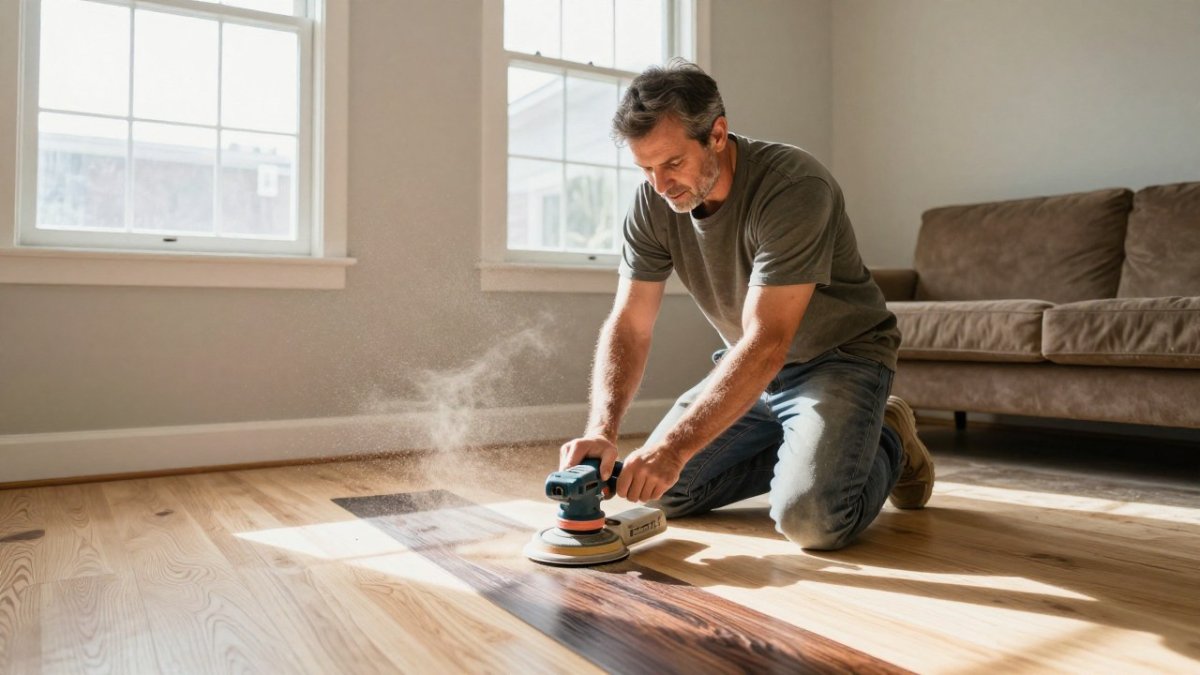
If your project also involves worn hardwood, combining painting with floor refinishing keeps one crew on site and one schedule. Hardwood Floor Refinishing & Restoration handles both, and our team has restored floors across the North Shore since 2012.
Contractor Vetting Checklist Before You Sign
Vetting a contractor before signing protects your money and your timeline. Ask for proof, not promises, and get everything in writing before work starts.
- Written estimate with labor, materials, and prep listed separately
- Proof of liability insurance and workers' compensation
- Three local references you can actually call
- A clear start date and completion window in the contract
- Payment schedule tied to milestones, not upfront
- Written policy on surprise repairs found mid-job
Frequently Asked Questions
How much should it cost to paint the interior of a 2000 sq ft house?
There is no single figure that applies to every 2,000 square foot home. The interior painting cost per square foot depends on ceiling height, how much prep the walls need, whether trim and ceilings are included, and the paint grade you choose. A home with smooth, previously painted walls and standard 8-foot ceilings will land lower than one with plaster repair, crown molding, and 10-foot ceilings. Get an itemized estimate that separates labor, materials, and prep so you can compare quotes fairly.
How much do professional painters charge per square foot for interior work?
Rates vary by region, project scope, and surface condition. Painters typically quote either a per-square-foot rate based on floor area or a flat price per room. The rate usually covers labor, prep, and sometimes materials, but you should confirm what is included. Ceiling painting, trim and molding, and drywall repair are often priced separately. Ask for a written breakdown so you can see exactly what the per-square-foot figure covers before you commit.
Does the cost of interior painting include paint and supplies?
It depends on the contractor. Some quotes bundle paint, primer, caulking, sanding supplies, and masking materials into one price. Others list labor only and expect you to buy the paint. Always ask whether the estimate includes material expenses, what paint grade is specified, and how many coats are planned. A quote that looks lower on paper may not include primer application or a second coat of paint, which changes both the final look and the total project cost.
Is it cheaper to paint a house yourself or hire a professional?
DIY saves on labor costs but adds your time, tool purchases, and the risk of uneven finishes or missed prep. Professional painters bring surface preparation, masking, caulking, and sanding experience that affects how long the finish lasts. If you are prepping a home for sale or moving into a house with worn floors and walls, hiring a professional contractor who can handle both painting and hardwood floor refinishing often saves coordination time and delivers a more consistent result.
How does ceiling and trim painting affect the total cost per square foot?
Ceilings and trim add surface area and detail work that a simple wall repaint does not include. Ceiling painting requires different prep and often a flat paint to hide imperfections. Trim and molding need sanding, caulking, and a semi-gloss or satin finish that stands up to handling. Because these areas take more labor hours per square foot, they raise the overall rate. Ask your contractor to quote walls, ceilings, and trim separately so you can see where the money goes.
What factors influence the cost per square foot for interior painting?
The biggest factors affecting interior painting quotes are surface condition, ceiling height, number of coats, paint grade, and regional labor rates. Drywall repair, caulking, sanding, and primer application add prep time. Complex architecture such as crown molding, wainscoting, or vaulted ceilings slows production. Color changes from dark to light may need an extra coat. A detailed estimate should list each of these so you understand why one quote differs from another.
Interior painting costs are frustrating because no two quotes seem to match. The real fix is understanding what's inside the number, from labor hours to prep work to paint quality. Hardwood Floor Refinishing & Restoration offers free in-home estimates, clear written pricing, and over a decade of experience restoring homes throughout the area. Get started with Hardwood Floor Refinishing & Restoration and get a real estimate upfront, with no surprise line items.