 ultimate-guide
Interior Painting Services in Essex County: 2026 Guide
Table of Contents
- Why Homeowners Choose Professional Interior Painting Services in Essex County
- Interior Painting Turnaround Time: What to Expect
- Hardwood Flooring Installation Timeline: Planning Your Renovation
- Best Practices for Home Renovation Preparation
- How to Get a Free Estimate from Interior Painting Services in Essex County
- Conclusion
- Frequently Asked Questions
Last Updated: September 28, 2026
Why Homeowners Choose Professional Interior Painting Services in Essex County
Interior painting services in Essex County are in steady demand, and it's not hard to see why. This guide from ScreenCoat Painting & Flooring covers what actually drives that demand: older housing stock, tight move-in deadlines, and the fact that a bad paint job is far more expensive to fix than a good one is to hire. Interior painting is the process of preparing, priming, and finishing interior walls, ceilings, and trim to protect surfaces and refresh a room's appearance.
Here's the part most guides skip. The gap between a cheap paint job and a professional one rarely shows up on day one. It shows up eighteen months later, when the caulk lines have cracked and the trim edges have bled.
What Sets Local Painting Companies Apart
A local painting company lives or dies on referrals, which changes how the work gets done. A crew that has to drive past your house every week has real incentive to get the prep right the first time.
That means licensed and insured crews, proper surface preparation, and a real project timeline instead of a vague "sometime next month." It also means someone you can call back if a finish coat fails.
Interior Painting Turnaround Time: What to Expect
The typical interior painting turnaround time for a single room is two to four days, including prep, priming, and two finish coats. A whole-home interior runs one to three weeks depending on square footage, ceiling height, and how much drywall repair is needed.
Factors That Affect Your Project Timeline
Several things move that number in either direction:
- Surface condition. Cracked plaster, water stains, and failed patching add prep days before a brush ever touches the wall.
- Wall texture and trim detail. Heavy texture and intricate trim and molding slow down cutting in.
- Color changes. Going from dark to light usually needs an extra primer application.
- Occupancy. Crews work faster in an empty house than around furniture and pets.
- Drying windows. Humidity and low temperatures extend recoat times, even indoors.
A realistic schedule, not an optimistic one, is what separates a professional painters' crew from a crew that disappears mid-job.
Hardwood Flooring Installation Timeline: Planning Your Renovation
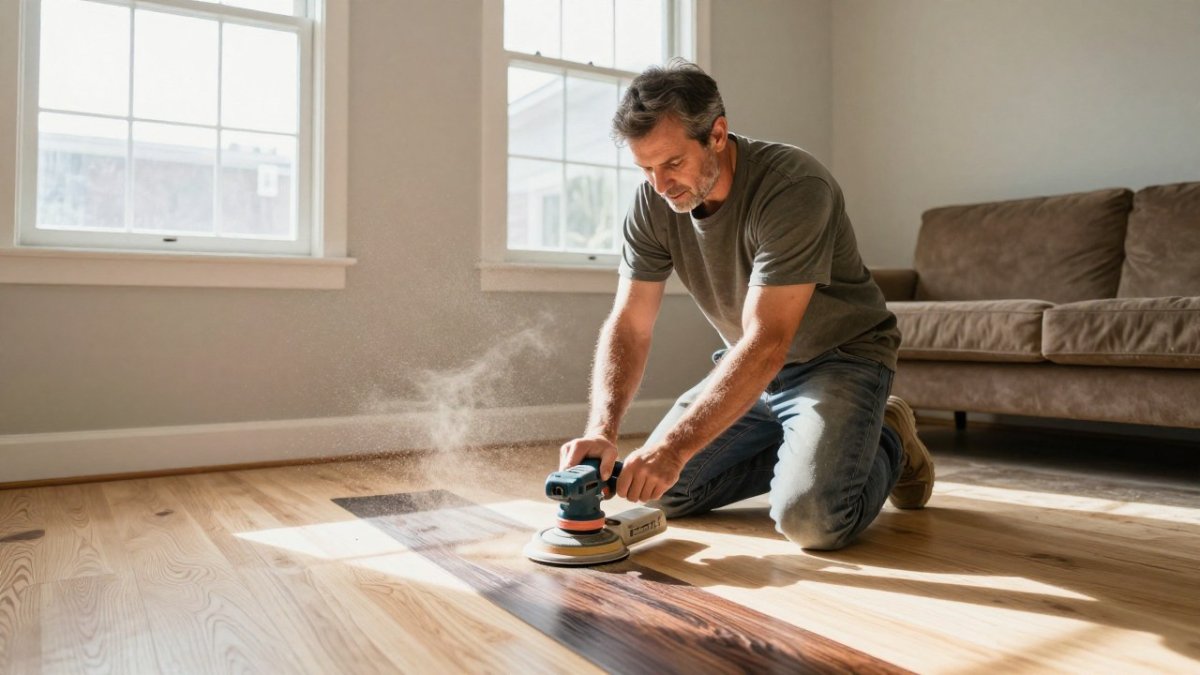
If your interior painting project is part of a larger renovation that includes hardwood flooring, the two trades have to be sequenced correctly or you will pay twice. Hardwood flooring installation timeline depends heavily on the material. Solid hardwood needs to acclimate on site for several days before installation, while engineered planks settle faster.
The acclimation step is where projects get rushed and fail. Wood expands and contracts with indoor humidity, and installing boards before they have adjusted to your home's conditions is one of the most common reasons floors cup or gap within the first year. Most flooring contractors will not warranty a floor that was installed without acclimation, and that exclusion is usually buried in the fine print.
If your home has a basement or crawl space, moisture testing comes first. A flooring contractor should check subfloor moisture before quoting, not after tearing out the old floor. That is also the moment to ask what happens if hidden damage turns up underneath. A soft spot near a bathroom or exterior door often means a subfloor repair that was not in the original scope.
Surface Preparation for Painting and Flooring
Surface preparation is where quality craftsmanship is actually decided, and it is the step most homeowners underestimate. For painting, that means patching drywall repair, sanding glossy surfaces, and applying primer where stains or bare patches show through. For flooring, it means leveling the subfloor, checking moisture, and pulling old staples and adhesive. Both trades share the same rule: prep takes longer than the finish, and skipping it shows.
A common pattern is that the prep work is invisible in the final result, so it is the easiest line item for a low bid to cut. Ask any contractor to walk you through their prep steps before you compare numbers. If one bid includes sanding and priming and another does not, the lower number is not a discount, it is a different scope.
- Clear the room and protect adjacent spaces
- Complete all sanding and drywall repair before priming
- Test subfloor moisture before ordering hardwood
- Confirm acclimation time with your flooring contractor
- Schedule painting before floor installation in occupied homes
Should You Paint or Install Floors First?
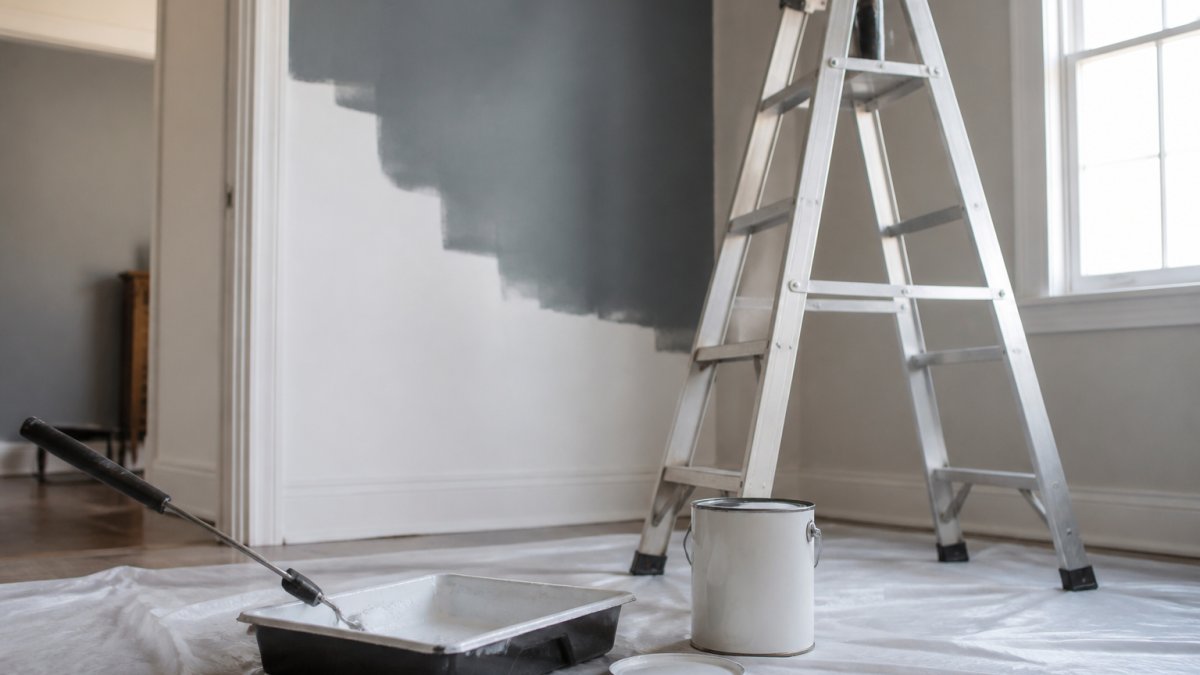
Paint first, floors second. It is the sequence that protects both finishes. Painting after flooring means drop cloths, ladder feet, and spilled primer land on brand-new wood. The exception is a full gut renovation, where flooring goes in before baseboards and final trim. In that case, painters come back for touch-ups after the floor crew leaves.
Best Practices for Home Renovation Preparation
Good renovation prep comes down to sequencing and protection. Move furniture out, cover what stays, and finish dusty work like sanding before any finish coat goes on.
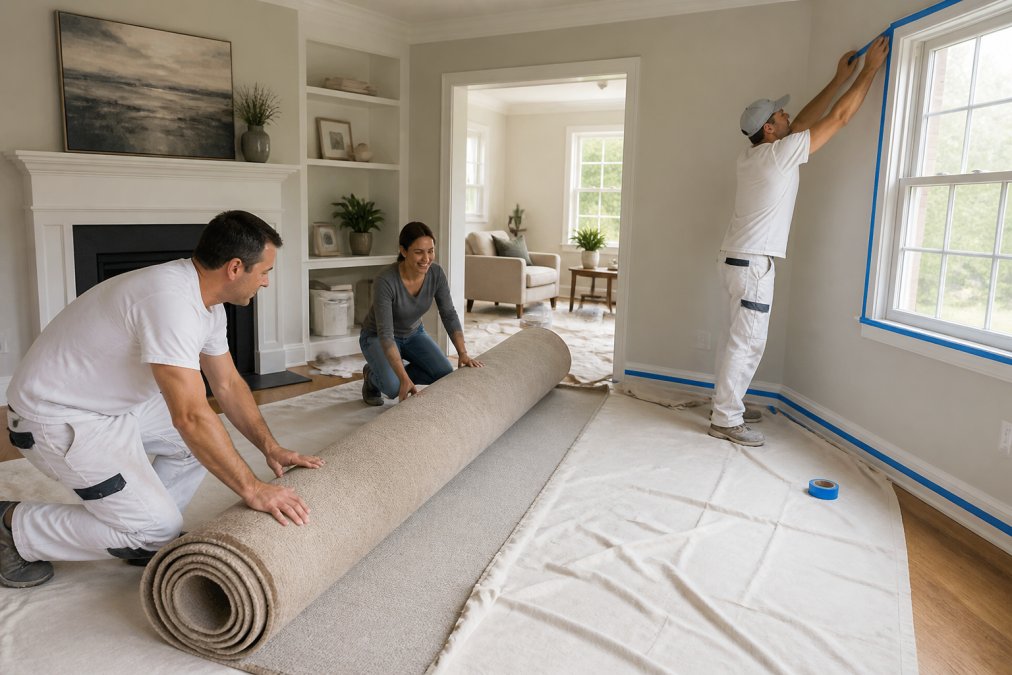
Surface Preparation for Painting and Flooring
Surface preparation is where quality craftsmanship is actually decided. For painting, that means patching drywall repair, sanding glossy surfaces, and applying primer where stains or bare patches show through.
For flooring, it means leveling the subfloor, checking moisture, and pulling old staples and adhesive. Both trades share the same rule: prep takes longer than the finish, and skipping it shows.
- Clear the room and protect adjacent spaces
- Complete all sanding and drywall repair before priming
- Test subfloor moisture before ordering hardwood
- Confirm acclimation time with your flooring contractor
- Schedule painting before floor installation in occupied homes
How to Get a Free Estimate from Interior Painting Services in Essex County
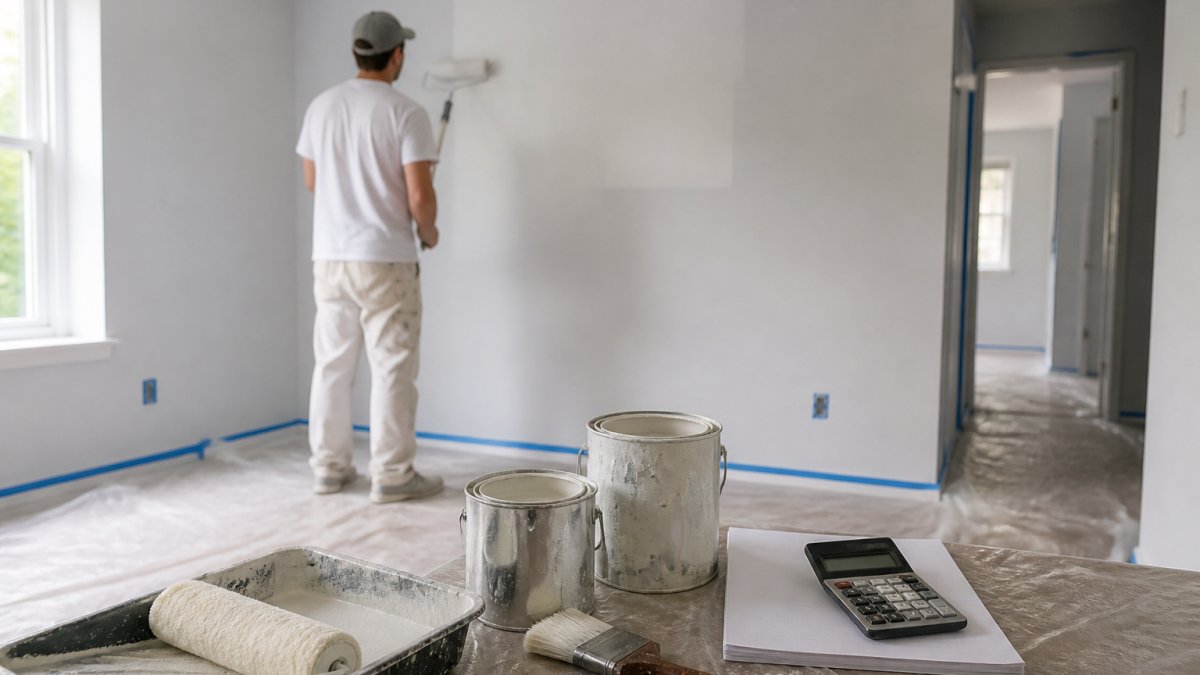
A free estimate should include a written scope, a schedule, and a clear answer on what triggers extra cost. Ask for the estimate in writing, with line items for labor rates, material costs, and prep work. Walk the space with the estimator. Point out cracks, water stains, and any floor areas that feel soft underfoot. A contractor who inspects before quoting gives you a real number; one who quotes from the doorway gives you a guess.
Then check references. Ask past customers whether the crew showed up when promised and whether the final invoice matched the estimate. That single question tells you more than any portfolio photo.
Color Consultation and Design Trends
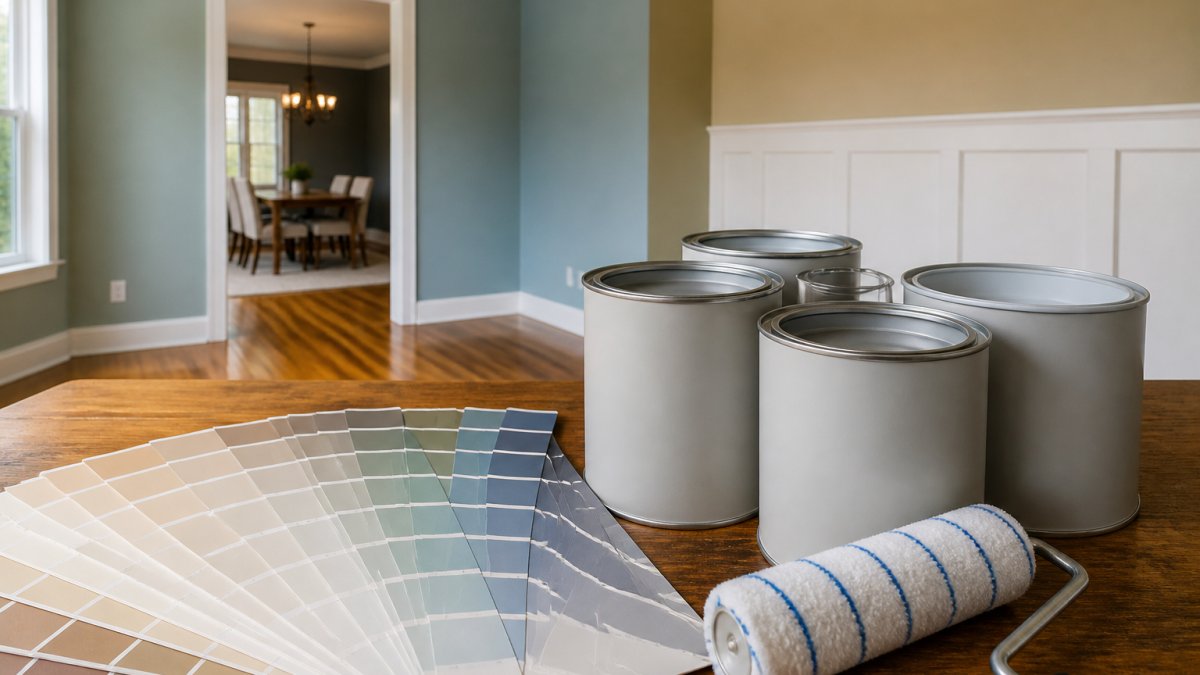
Current interior color trends favor warm neutrals, soft greens, and earthy tones that hold up under natural light. The same color can look completely different in a north-facing room than in a south-facing one, which is why on-wall samples matter more than a paint chip. A contractor who understands undertones can save you from a repaint you did not budget for.
Eco-Friendly and Low-VOC Paint Options
Low-VOC does not automatically mean lower performance. Many modern low-VOC formulas match the durability of conventional paints, though they can cost more per gallon and may need an extra coat for deep color changes. A contractor who regularly works with these products can tell you where the trade-offs actually are instead of guessing.
Maintenance and Longevity Tips
A professional paint job should last years, not months. How you clean and maintain painted walls determines how long the finish holds up. Use a soft cloth or sponge with mild soap and water rather than abrasive cleaners, which dull the sheen and wear through the finish coat. Touch up scuffs promptly, and keep a small labeled container of each wall color for future repairs.
In high-traffic areas like hallways, kitchens, and stairwells, a satin or semi-gloss finish cleans more easily than flat paint. Ask your contractor to leave touch-up paint and note the exact product and sheen used in each room. That single step makes future maintenance far simpler and keeps the finish consistent.
Conclusion
Renovation timelines slip when prep gets rushed, estimates stay vague, and no one commits to a schedule in writing. ScreenCoat Painting & Flooring handles both sides of that problem, with over 10 years of experience, locally owned and operated crews, personalized scheduling, and reasonable pricing on interior painting and hardwood flooring. Get your free estimate from ScreenCoat Painting & Flooring and start your project with a timeline you can actually plan around.
Frequently Asked Questions
What is a fair price to paint a whole interior home?
Interior painting costs vary based on square footage, ceiling height, number of coats, and prep work needed. For an accurate price, request a free estimate from a local painting contractor. They will assess your walls, trim, and any drywall repair required. ScreenCoat Painting & Flooring offers transparent pricing on their website, so you know what to expect before work begins.
How long does it take to complete interior painting for a standard home?
Professional painters will provide a project timeline upfront. Turnaround time depends on factors like size, prep, and drying times between primer and finish coats.
How do I prepare my home for interior painting and flooring installation?
Clear rooms of furniture and personal items, remove wall hangings, and ensure pets are secure. For flooring, remove old carpet or debris. Professional painters handle surface preparation like cleaning, sanding, and priming. If you are installing hardwood, acclimate the wood indoors for a few days. A detailed preparation checklist from your contractor helps avoid delays.
Should I paint my walls or install hardwood flooring first?
Always confirm the sequence with your painting contractor.