 ultimate-guide
Modernizing Older Homes Interior Design: A 2026 Guide
Table of Contents
- Start With Structure: What to Inspect Before You Modernize
- Updating Dated Interior Paint Colors Without Erasing Character
- The Cost of Refinishing Hardwood Floors and What Drives It
- Choosing Hardwood Floor Contractors: What to Ask First
- Energy Efficiency Retrofitting: The Upgrade Competitors Skip
- Budget-Tiering Your Modernization: Where to Spend and Where to Save
- Permits and Compliance: What Older Home Renovations Require
- Frequently Asked Questions
Last Updated: September 23, 2026
Start With Structure: What to Inspect Before You Modernize
Modernizing older homes interior design starts underground, not in a paint aisle. Before you pick a color or order fixtures, walk the house and check the bones: sagging floors, sticking doors, cracks that reappear after patching, and moisture stains in the basement. Those signals tell you whether your budget should go toward cosmetics or structural repair.
At ScreenCoat Painting & Flooring, we've walked into plenty of Essex County homes where a fresh coat of paint was supposed to be the whole job. Sometimes it is. Sometimes the floor tells a different story first.
Here's what to inspect before anything else:
- Floor structure. Walk the perimeter of each room. Bouncy or sloping sections point to joist problems, not just worn finish.
- Settling cracks. Hairline cracks in drywall are common in older houses. Cracks that reopen within weeks of repair suggest movement that needs a structural look.
- Moisture. Check the basement and crawlspace for dampness, efflorescence, or musty smells. Wood flooring and moisture do not mix, and no finish will survive it.
- Windows and trim. Original trim and wood windows are the character you're trying to keep. Note which pieces are salvageable and which are too far gone.
- Electrical and plumbing age. If the panel or supply lines predate your ownership by decades, get them evaluated before you close up walls.
Get this inspection done first.
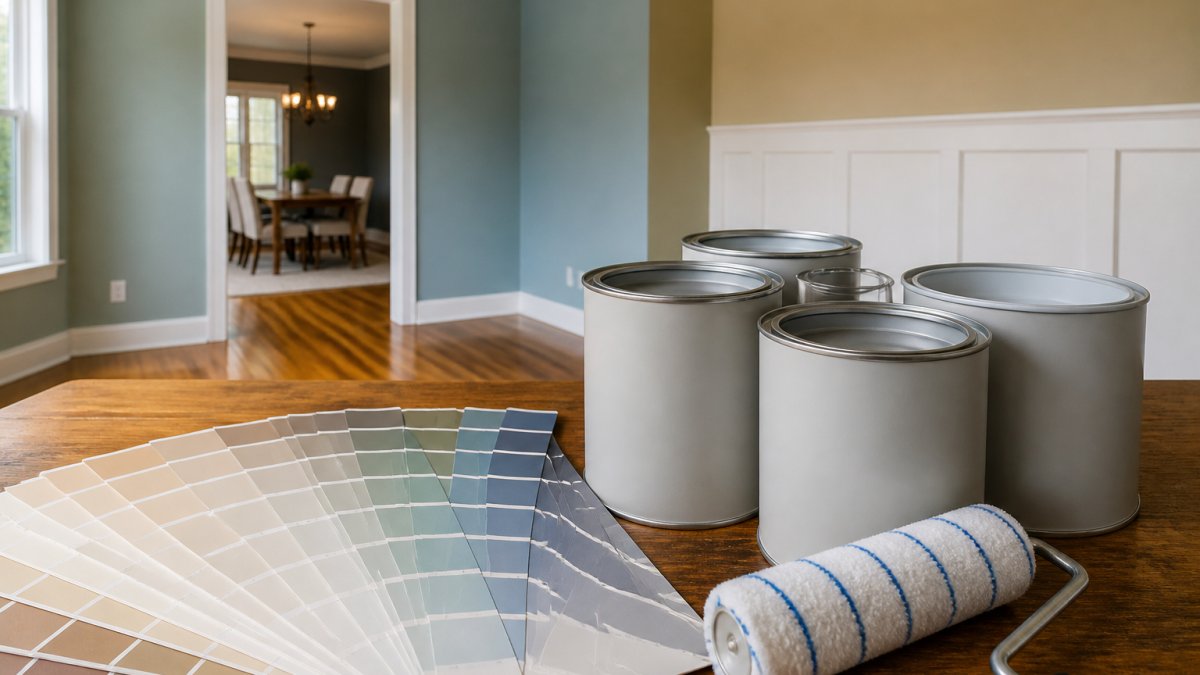
Updating Dated Interior Paint Colors Without Erasing Character
A better approach:
- Walls: warm white, soft greige, or a muted sage
- Trim and doors: keep original wood where it's in good shape; paint it a crisp white only when the finish is beyond saving
- Ceilings: flat white, always
- Accent: one room, one deeper tone, not every room
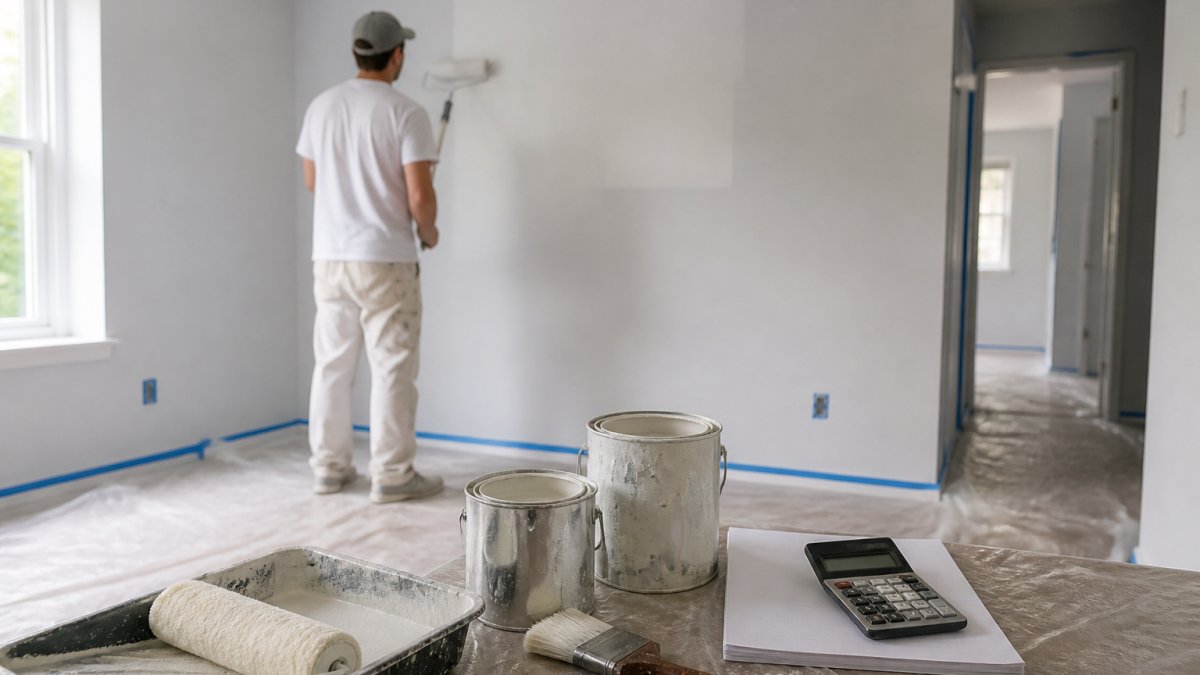
Fresh paint is the fastest aesthetic facelift a dated interior can get. It's also the cheapest, which matters once you see what the floors need. But if the floors are being sanded and refinished, sequence the work so paint happens after floor sanding but before the final coat of finish, this avoids dust settling on fresh paint and lets you touch up any wall scuffs from the floor crew.
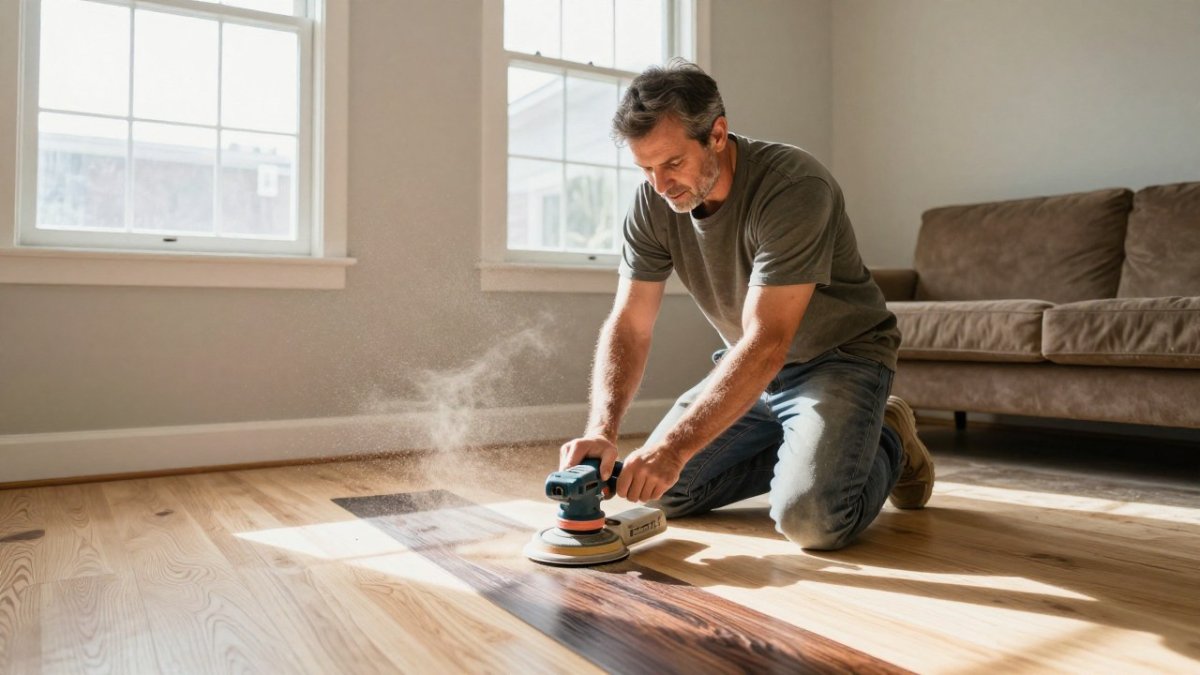
The Cost of Refinishing Hardwood Floors and What Drives It
What actually drives the number up:
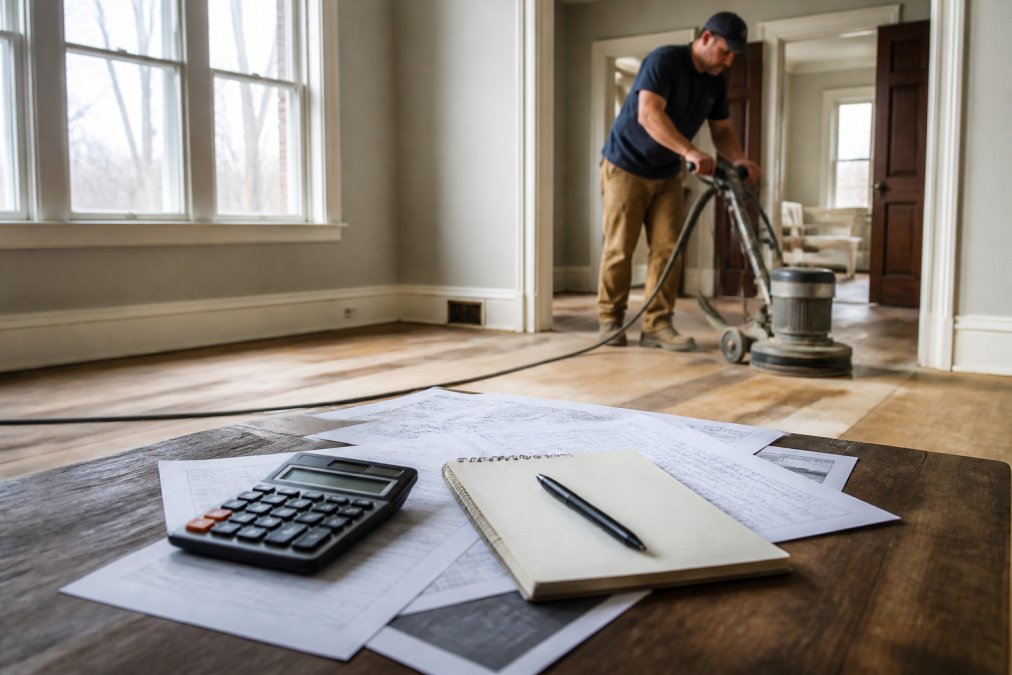
- Square footage. Price scales with area, but larger jobs often cost less per square foot because setup and mobilization are spread across more boards.
- Condition. Deep stains, pet damage, and gaps between boards add labor. If boards are cupped or crowned, the sander has to remove more material to get flat, which can mean multiple passes.
- Species and thickness. Thin veneer floors can't be sanded as aggressively as solid hardwood. Engineered floors may have a wear layer of only 2-4 mm, limiting how many times they can be refinished. Solid 3/4-inch oak can typically be sanded 4-6 times over its life.
- Finish choice. Site-finished floors take longer than a screen-and-recoat. A full sand-and-refinish involves three to four coats with dry time between each; a screen-and-recoat adds one coat over a scuffed surface and can be done in a day.
- Furniture and prep. Moving furniture and protecting adjacent surfaces adds time. If the floor extends under cabinets or built-ins, those areas may need hand-scraping or edge sanding.
- Stain and color. Applying a stain before finish adds a step and requires careful blending, especially if you're matching existing floors in adjacent rooms.
Finally, consider timing. Refinishing floors generates dust and fumes, so it's best done when the house is empty or when you can seal off the work area. If you're also painting, coordinate the schedule so floor work happens first, then paint, then final floor finish. This sequencing minimizes dust on fresh paint and protects the new finish from paint drips.
Choosing Hardwood Floor Contractors: What to Ask First
The right hardwood floor contractors will inspect before they quote, explain what they find, and put the scope in writing. The wrong ones give you a low number, start work, then hand you a change order once the floor is already torn up.
Ask these questions before you sign anything:
- Will you inspect under the existing floor before quoting? A real contractor wants to see what's there.
- What's your process if you find moisture or subfloor damage? You want a clear answer, not a shrug.
- Can I call two local references? Not online reviews. Actual phone numbers.
- What's the written timeline, and what happens if it slips?
- Is the quote itemized, or a single lump sum? Itemized quotes protect you from surprise costs.
- Who's doing the work, your crew or a subcontractor?
Energy Efficiency Retrofitting: The Upgrade Competitors Skip
Energy efficiency retrofitting is the modernization step most guides skip entirely, and it's the one that pays you back every month. Older homes leak air through single-pane windows, uninsulated rim joists, and gaps around original trim. Sealing and insulating before you paint means you're not covering up problems you'll want to fix later.
Practical retrofits that fit an older home:
- Air sealing. Caulk and foam around windows, doors, and penetrations in the basement and attic.
- Attic and rim joist insulation. Often the highest-return upgrade in an older house.
- Window treatment. Storm windows or interior films preserve original frames while improving thermal performance.
- Duct and pipe sealing. Small leaks add up across a whole house.
Budget-Tiering Your Modernization: Where to Spend and Where to Save
Budget-tiering means sorting every project into must-do, should-do, and nice-to-have before you spend a dollar. Older homes always hide at least one surprise, and a tiered budget absorbs it without derailing the whole renovation.
| Tier | What Belongs Here | Why |
|---|---|---|
| Must-do | Structural repair, moisture fixes, electrical and plumbing safety | Ignoring these costs far more later |
| Should-do | Paint, hardwood refinishing, air sealing, insulation | High visual and energy return |
| Nice-to-have | Smart home integration, inset cabinetry, new fixtures | Great once the basics are handled |
Permits and Compliance: What Older Home Renovations Require
Permits and compliance requirements depend on what you're changing. Painting and refinishing floors typically need no permit. Structural work, electrical, plumbing, and some window replacements usually do, and skipping a permit can stall a sale or force you to undo finished work.
Before work begins:
- Confirm which tasks require a permit with your local building department
- Ask your contractor who pulls the permit, them or you
- Check for lead paint disclosure requirements if the home predates 1978
- Verify the contractor is licensed and insured for the scope
- Get inspection milestones in writing
Frequently Asked Questions
How do you update an older home without losing its original charm?
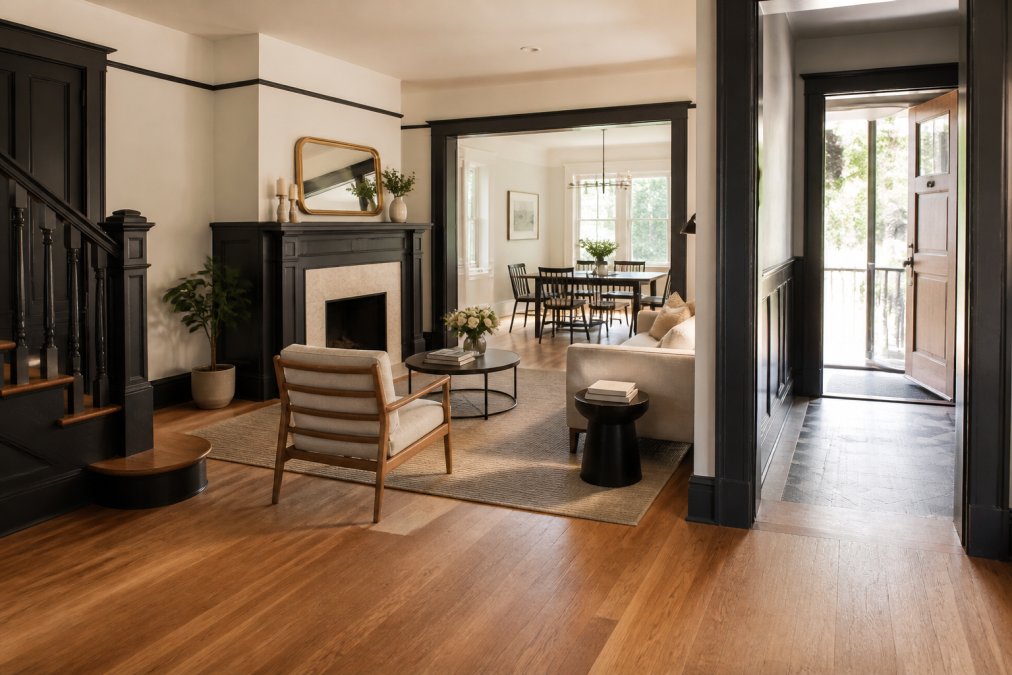
Keep the features that define the home's character, such as original trim work, architectural details, and solid wood doors, then modernize around them. Paint dated walls in a neutral palette, refinish rather than replace hardwood floors, and swap hardware on cabinets instead of replacing them. This approach preserves vintage charm while giving the interior a fresh, current feel. Focus your budget on reversible updates first, like paint and fixtures, before committing to structural changes that alter the home's historic design.
What are the most effective ways to modernize an older home's interior on a budget?
Start with paint, since updating dated interior paint colors is the lowest-cost change with the biggest visual impact. Refinishing existing hardwood floors costs less than full replacement and restores the wood's original warmth. Swap light fixtures, cabinet hardware, and outlet covers for a quick aesthetic facelift. Declutter and deep clean before buying anything new. These steps address the most common reasons older homes feel dated without touching the structural integrity of the house or requiring permits.
What does the cost of refinishing hardwood floors depend on?
The cost of refinishing hardwood floors depends on the square footage, the wood species, the condition of the boards, and whether repairs are needed before sanding. Floors with water damage, warped boards, or deep stains require more labor. The number of finish coats and the type of finish also affect the total. Get an itemized estimate that separates prep work from finishing so you can compare quotes accurately. Ask whether the contractor includes moisture testing, especially for basements or ground-floor rooms.
How do I choose hardwood floor contractors for an older home?
Ask hardwood floor contractors how they handle older subfloors, moisture issues, and settling cracks before you hire anyone. Request local references you can call, not just online reviews. Confirm they carry insurance and will provide a written estimate that lists prep work, materials, and timeline. For older homes, experience with structural quirks matters more than a low bid. A contractor who inspects underneath the floor before quoting will give you a realistic number instead of a surprise invoice later.
Which interior design elements make an older home feel dated?
Dated interior paint colors, worn or discolored flooring, outdated light fixtures, and heavy window treatments are the biggest culprits. Popcorn ceilings, brass hardware, and closed-off floor plans also signal an older era. The fix is not always demolition. Refinishing wood flooring, painting in a neutral palette, and updating fixtures modernize the look while keeping the home's architectural details intact. Decluttering and improving natural lighting round out the changes that make the largest difference.