 ultimate-guide
Painting and Flooring Turnaround Time Estimates
Table of Contents
- What Painting and Flooring Turnaround Time Estimates Actually Include
- Painting vs Flooring Order of Operations
- Hardwood Flooring Installation Duration by Project Size
- Interior Painting Timelines: Prep, Primer, and Finish Coats
- Factors Affecting Home Improvement Turnaround
- Residential vs. Commercial Project Scope and Scheduling
- How to Prepare Your Home and Avoid Delays
- Frequently Asked Questions
Last Updated: September 21, 2026
What Painting and Flooring Turnaround Time Estimates Actually Include
Most homeowners assume a painting and flooring turnaround time estimate is a simple math problem: square footage divided by crew speed. It isn't. An estimate is a scheduling document, and it covers three separate clocks: the estimate visit itself, the waiting period before a crew arrives, and the working days on site. At ScreenCoat Painting & Flooring, we've spent more than a decade explaining this distinction to homeowners, because the gap between "how long will the work take" and "how long until it's done" trips up nearly everyone.
Estimate vs. Actual Labor Time
Estimate time is the window between your first call and a written scope of work in your hands. Actual labor time is the working hours a crew spends inside your home. These are different numbers, and confusing them is the single most common source of disappointment.
Hidden Wait Times Most Homeowners Miss
The clock that surprises people most is the one that runs before anyone picks up a brush or a nail gun. Three waits dominate:
- Material lead time for specialty flooring, custom stain matches, or out-of-stock paint colors
- Acclimation period for solid hardwood, which needs to sit in the room where it will be installed so it adjusts to indoor humidity
- Curing and drying windows between coats, which cannot be compressed without risking finish failure
Painting vs Flooring Order of Operations
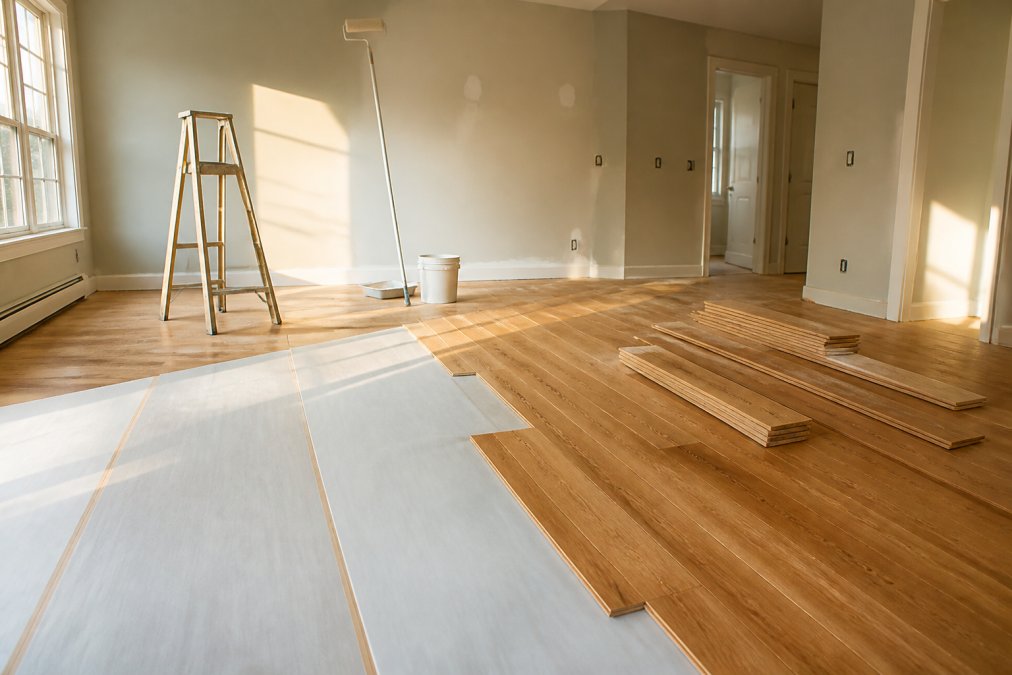
The correct order is floors first, paint second, with trim and baseboards handled as part of the flooring phase. This sequence exists for a practical reason: sanding and installation create dust and require baseboards to come off, and you do not want fresh paint exposed to either.

Why the Sequence Affects Your Timeline
Reversing the order adds real days, not just inconvenience. If walls are painted before flooring goes in, the crew has to mask and protect finished surfaces, then return to touch up scuffs and dings from installation. That return visit is a second mobilization, and it costs you calendar time.
- Protection time: Masking finished walls, taping off baseboards, and laying protective coverings over painted surfaces adds half a day to a full day before flooring installation begins.
- Touch-up mobilization: After flooring is installed, the painting crew must return to repair scuffs, dings, and dust marks. This is a separate visit, often scheduled days later because the crew has moved to another job.
- Cure-time conflicts: If the paint hasn't fully cured, installing baseboards or transitioning flooring can mar the finish, forcing another round of touch-ups.
The Hidden Cost of Reversing the Order
Beyond the calendar days, reversing the order introduces coordination risk. Two separate crews must agree on when the flooring team can enter, how much protection is enough, and who pays for touch-ups. In practice, this handoff is where schedules slip. A single missed communication can push the painting crew's return visit by a week if they've already booked other jobs.
How to Build the Sequence Into Your Estimate
When you review a combined painting and flooring estimate, look for a line that states the order of operations and the expected gap between phases. A well-built estimate will show flooring installation days, a buffer for acclimation and cure, and then painting days. If the estimate lists both trades without a sequence, ask for a revised version that does.
Hardwood Flooring Installation Duration by Project Size
Hardwood flooring installation duration scales with square footage, but not in a straight line. A small room has proportionally more cutting, fitting, and doorway transitions per square foot than a large open floor, so the per-square-foot rate looks worse on small jobs and better on big ones.
Acclimation and Curing Time
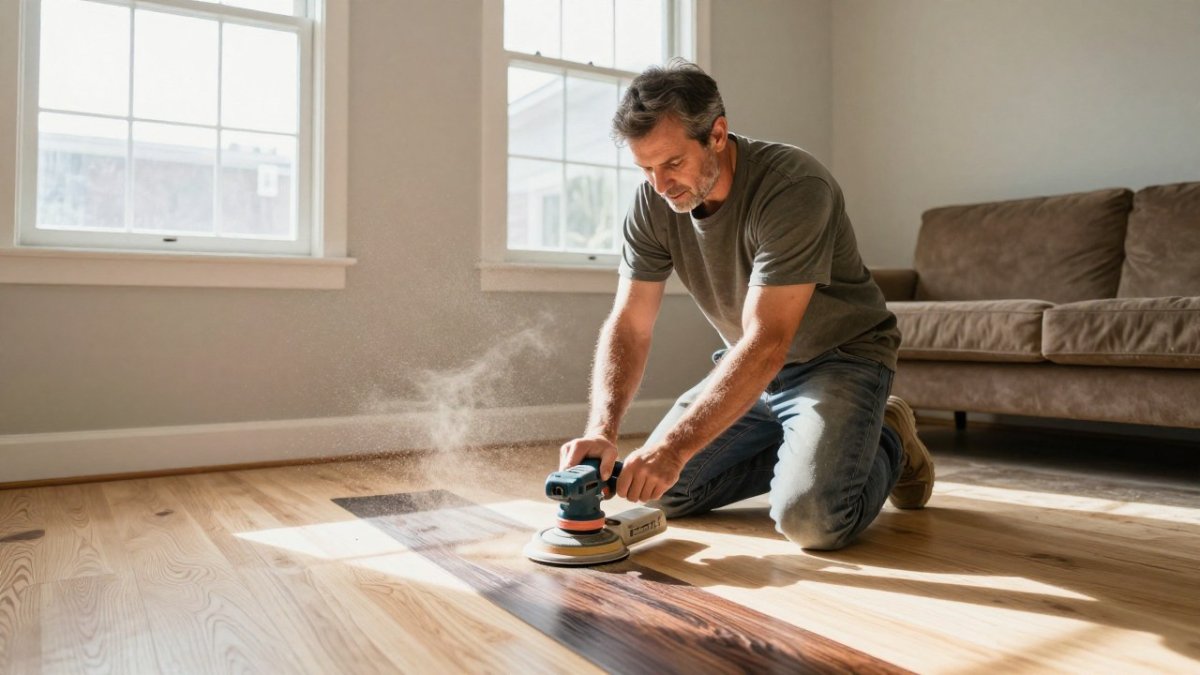
Acclimation is the period solid hardwood sits inside your home before installation. Skip it and the boards can cup or gap after installation as they adjust to your indoor humidity. Curing applies to the finish: stain and topcoats need time to harden, and foot traffic should stay off the floor until the finish sets.
Interior Painting Timelines: Prep, Primer, and Finish Coats
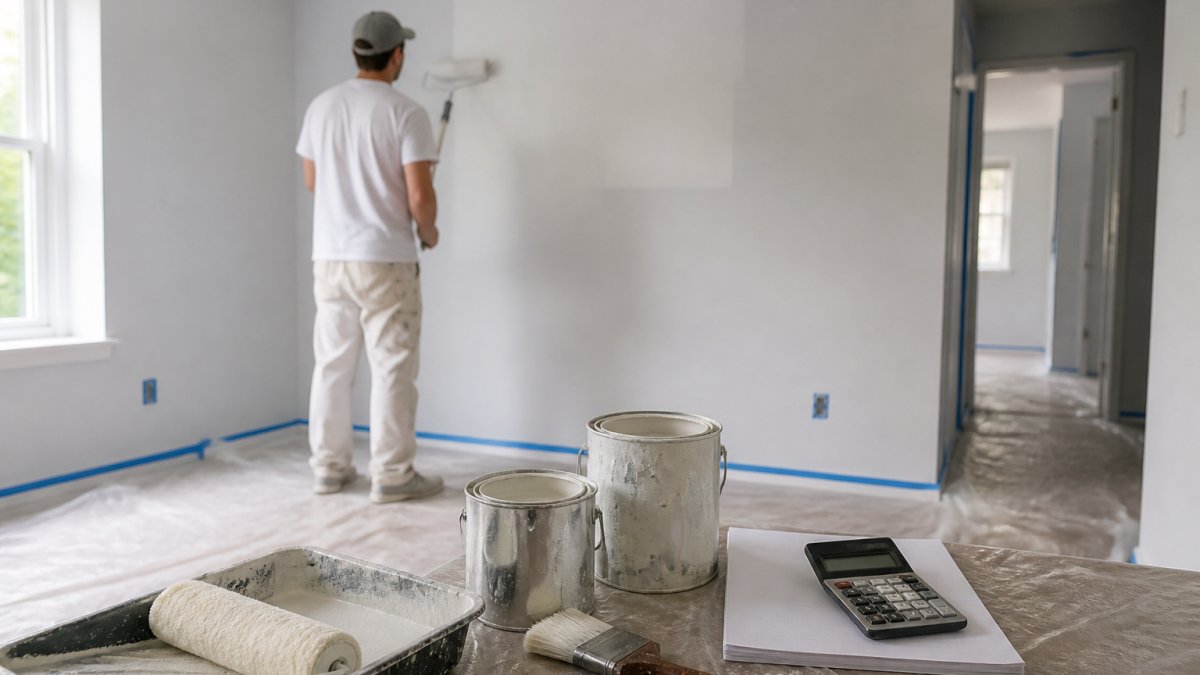
Interior painting is mostly preparation, which is why the labor estimate looks generous compared to the visible work. Surface preparation includes patching nail holes, sanding rough spots, caulking gaps, and masking and protection for floors, fixtures, and furniture.
Factors Affecting Home Improvement Turnaround
Several variables move a home improvement turnaround more than square footage does. Project complexity, site readiness, and contractor scheduling all compete for the same calendar, and any one of them can add days.
- Subfloor preparation: leveling, repair, or moisture mitigation before flooring goes down
- Drywall finishing: patching and texture matching take time to dry between steps
- Access and staging: stairs, tight hallways, and furniture moving slow every crew
- Material availability: backordered flooring or discontinued paint colors reset the schedule
- Season and demand: spring and summer bookings fill contractor calendars faster
Square Footage vs. Time Matrix
Use this as a rough planning tool, not a quote. Your written estimate should replace every number here.
| Project Scope | Typical Working Days On Site | Main Wait Time To Plan For |
|---|---|---|
| Single room, paint only | 1-2 days | Paint order and color confirmation |
| Single room, flooring only | 1-2 days | Acclimation period |
| Full main level, flooring | 3-5 days | Material lead time |
| Full interior paint | 4-7 days | Drywall repair drying |
| Combined paint and flooring | 7-12 days | Sequencing between trades |
Residential vs. Commercial Project Scope and Scheduling
Residential work is scheduled around your household: furniture, pets, and daily routines all shape how fast a crew can move. Commercial finishes are often specified in advance, which removes some decision lag but adds inspection and after-hours scheduling constraints.
Rental Turnovers: The Empty-Unit Advantage
An empty unit is the fastest possible job site. There is no furniture to move, no daily cleanup, and no homeowner decisions to wait on. A studio or one-bedroom apartment can often be painted and re-floored in three to five working days when the unit is vacant and materials are on site. The same scope in an occupied home can stretch to seven to ten days because the crew loses time to furniture protection and daily setup.
Commercial Projects: After-Hours and Inspection Constraints
Commercial spaces often require work outside business hours to avoid disrupting operations. A retail store or office may need painting and flooring done overnight or on weekends, which stretches the calendar timeline even though the labor hours are the same. A job that would take three working days during normal hours can take five or six calendar days when crews can only work four-hour night shifts.
How to Compare Estimates Across Project Types
For any project type, ask the estimator to separate labor days from calendar days. That single distinction tells you whether the timeline you're approving is realistic for your situation.
How to Prepare Your Home and Avoid Delays
Site readiness is the one variable you fully control, and it's where the biggest schedule savings hide. Clear the work area, confirm your material selections before the crew is scheduled, and settle any change orders before work begins rather than mid-project.
A practical prep checklist:
- Remove wall decor, outlet covers, and small furniture from work zones
- Confirm paint colors and sheens in writing before the start date
- Confirm flooring species, stain, and finish before ordering
- Arrange parking and a staging area for materials
- Decide who handles baseboard removal and reinstallation
- Ask for the written sequence of trades, day by day
Frequently Asked Questions
Should you paint or install flooring first?
Flooring goes in before painting in most renovation projects. Installers need a clear, flat subfloor to work on, and they create dust and debris that would damage fresh paint. Once the floor is down and protected with paper or drop cloths, painters can finish trim, walls, and touch-ups without worrying about scratching a new surface. The one exception is when floors are being refinished with stain and polyurethane; in that case, painting often happens first so paint fumes and splatter don't land on uncured finish coats.
What is the typical turnaround time for hardwood flooring installation?
Most hardwood flooring installation duration estimates land between three and ten days for a single room or small home, depending on square footage, material type, and subfloor condition. Engineered hardwood can go down faster than solid because it moves less with humidity. Add three to seven days of acclimation before install and up to 72 hours of curing time for finish coats. Larger homes or projects requiring subfloor preparation often stretch to two or three weeks total.
How does square footage affect painting and flooring timelines?
Square footage is the biggest driver of both project duration and labor estimates. Painters typically cover 200 to 400 square feet of wall per day per person, so a 2,000 square foot home might take four to six working days for walls and ceilings. Flooring crews average 500 to 1,000 square feet per day for installation, meaning a 1,000 square foot job usually takes one to three days of actual labor. Prep work, trim installation, and masking and protection add time on top of those figures.
What factors cause delays in home renovation projects?
The most common delays come from contractor lead time, material backorders, and unexpected subfloor or drywall damage found after demolition. Moisture issues in basements or crawl spaces can also pause a flooring job until the source is fixed. On the scheduling side, coordinating multiple trades and waiting for primer or finish coats to dry adds days that homeowners often don't factor into the original estimate. Getting a detailed scope of work upfront and confirming material delivery dates helps keep the renovation timeline on track.