 blog
7 Best Paint Colors for Resale Value That Sell Homes
Last Updated: November 2, 2026
Quick Summary
The best paint colors for resale are warm whites, light greige, and muted naturals like sage, kept low in saturation and consistent throughout the home. These shades reflect light, flatter any furniture style, and remove the objections that dated colors create for buyers.
- Keep trim and ceilings one consistent soft white across the whole home.
- Most sellers get the best resale result from a selective repaint, not a whole-house one.
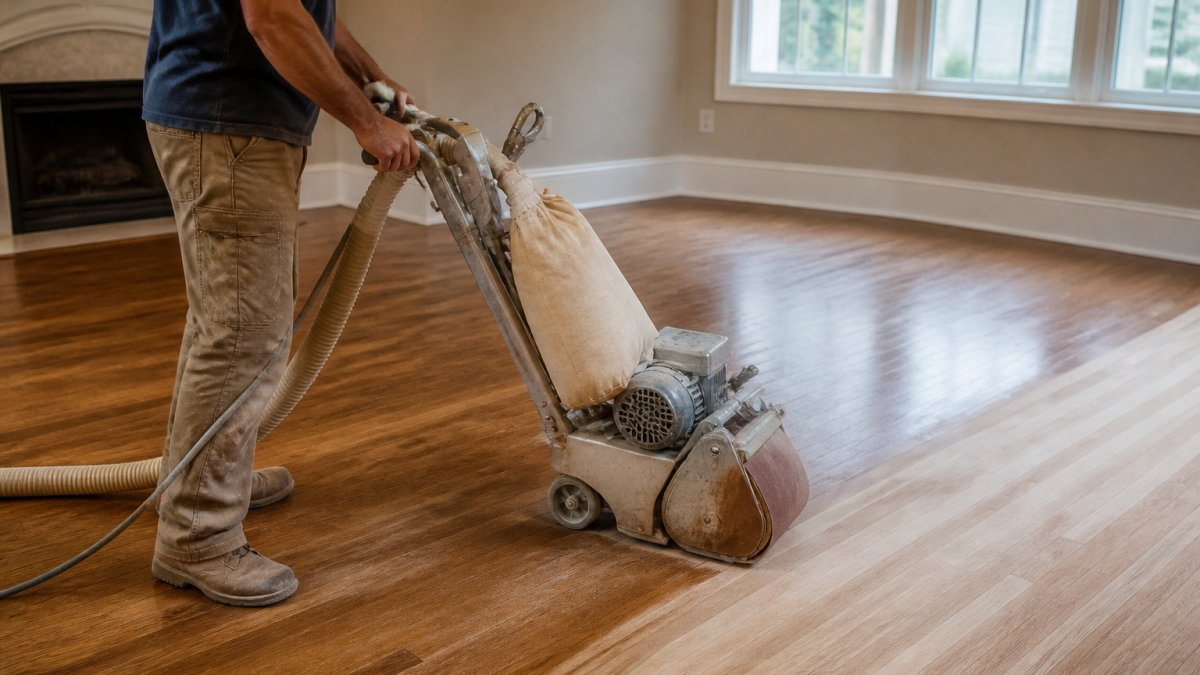
- Fix the floor before the walls, since the floor sets the room's temperature.
- Use eggshell or satin in hallways, kitchens, and kids' rooms for durability.
- Test samples at least a couple of square feet on multiple walls per room.
Table of Contents
- Why Paint Colors Move the Needle on Resale Value
- Neutral Paint Colors for Selling a House: The Safe, Broad-Appeal Palette
- Living Room Paint Colors for Resale That Buyers Respond To
- Should I Paint My House Before Selling? Weighing Cost, Effort, and Return
- Interior Paint Finishes for Resale: Sheen Choices That Hold Up
- How Light, Architecture, and Flooring Change the Right Color
- Exterior Paint and Curb Appeal: The First Impression Buyers Judge
- Testing Paint Colors Before You Commit to a Whole-House Palette
- Frequently Asked Questions
Why Paint Colors Move the Needle on Resale Value
Paint is the cheapest square footage you will ever sell.
Paint does not add dollars to an appraisal the way a renovated bathroom might. What it does is remove objections. A buyer who sees dated colors starts subtracting, and every subtraction becomes a negotiation point.
Below, we break down the palette that works, room by room, plus the finishes, lighting traps, and testing steps that separate a quick sale from a stale listing.
Neutral Paint Colors for Selling a House: The Safe, Broad-Appeal Palette
Neutral paint colors for selling a house work because they ask nothing of the buyer. They reflect light, flatter every furniture style, and photograph well in listing images. The goal is not bland. It is a quiet backdrop that makes a room feel larger and a home feel maintained. Three families of neutrals carry most of the weight.
Warm Whites and Off-Off-Whites
Pure white can read cold and clinical on a north-facing wall. Warm whites and off-whites soften that edge while keeping the clean, fresh appearance buyers want. Think soft cream, ivory, and white with a whisper of yellow or gray. These are the safest whole-house choices and transition easily between rooms.
Greige, Taupe, and Tan
Greige blends gray and beige, which is why it has become the default for resale. Taupe and tan sit a step warmer. All three hide scuffs better than white and give a room a settled, timeless feel. A common mistake is picking a greige that leans too gray in a dim hallway; it will look dirty rather than sophisticated. Test it on the actual wall first.
Sage Green and Other Muted Natural Colors
Muted green, sage, and soft wheat yellow have earned a place in the resale palette, especially in bedrooms and dining rooms. They feel natural and current without being loud. The rule: keep saturation low. A muted green reads calm; a bright one reads like someone else's taste.
| Neutral Family | Best Rooms | Buyer Signal | Watch Out For |
|---|---|---|---|
| Warm white / off-white | Whole house, trim, ceilings | Clean, bright, move-in ready | Turns cold in north-facing light |
| Greige / taupe / tan | Living areas, hallways | Settled, timeless, forgiving | Too gray in dim rooms |
| Muted sage / natural | Bedrooms, dining rooms | Calm, current, natural | Oversaturation reads as personal taste |
Living Room Paint Colors for Resale That Buyers Respond To
The living room carries the heaviest emotional load in a showing. It is where buyers picture themselves.
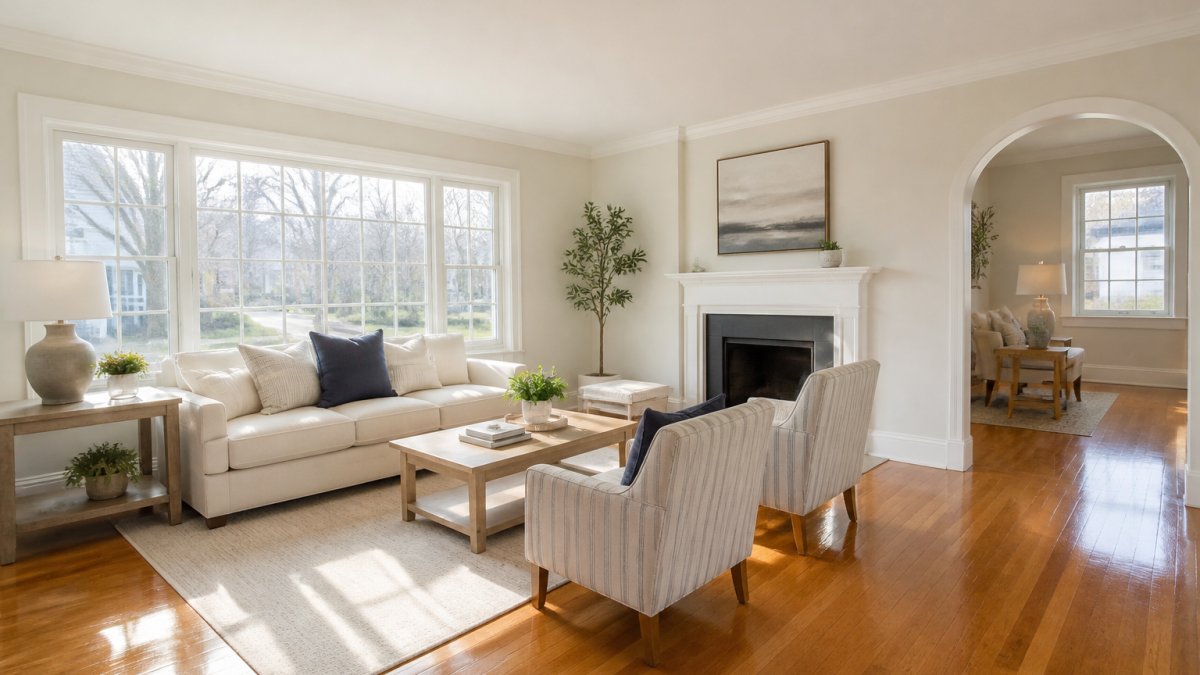
What most guides miss is how much the floor dictates the wall.
A Practical Room-by-Room Color Guide
Most resale guides name colors but never tell you which room gets which. Here is a working palette you can hand to a painter, organized by room and paired with the floor undertone it suits.
| Room | Wall Color Family | Trim and Doors | Best With Floor Undertone | Why It Works |
|---|---|---|---|---|
| Living room | Warm white to light greige | Soft white, semi-gloss | Warm or neutral | Broad appeal; lets furniture and floor lead |
| Kitchen | Warm white or soft cream | Soft white, semi-gloss | Neutral | Keeps the room bright and clean-looking |
| Primary bedroom | Muted sage or warm greige | Soft white | Warm | Calm, restful, current without being personal |
| Secondary bedrooms | Warm white or light greige | Soft white | Neutral | Flexible for a buyer's kids, guests, or office |
| Bathrooms | Warm white or soft gray | Soft white, semi-gloss | Neutral | Reads clean and bright under artificial light |
| Hallways | Light greige | Soft white | Warm or neutral | Forgiving of scuffs; hides dim-light gray casts |
| Dining room | Muted sage or soft wheat | Soft white | Warm | Adds a little character without narrowing buyers |
| Trim, doors, ceilings | Soft white throughout | , | Any | One consistent white ties the whole house together |
Two rules make this palette work as a system. First, keep trim and ceilings one consistent soft white across the whole home; a single white makes room-to-room transitions feel intentional rather than accidental. Second, keep saturation low everywhere.
Where the Accent Wall Belongs
An accent wall is the most overused resale move. It earns its place only when the wall has architectural purpose: a fireplace surround, a built-in bookcase, a niche, or a wall that frames a view. In those spots, a deeper muted tone from the same family adds depth without risk. On a random flat wall, an accent color just gives a buyer one more thing to repaint.
Match the Wall to the Floor, Not the Trend
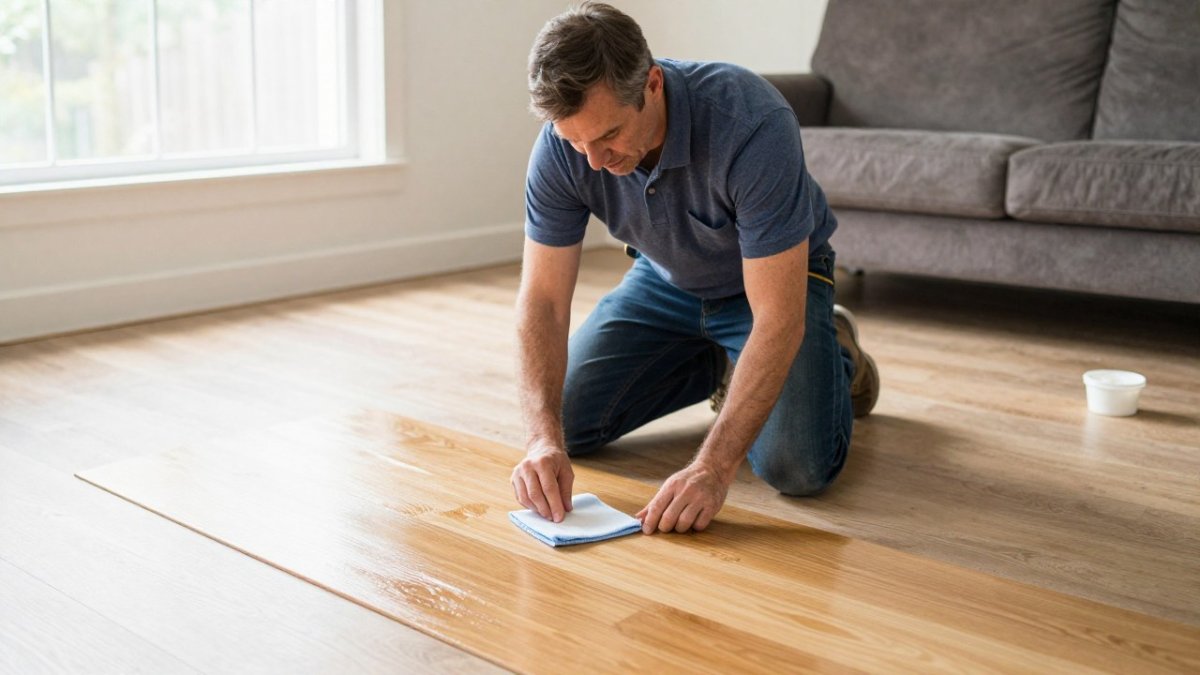
A warm, freshly refinished oak floor pulls warmth into the room, which means you can go slightly cooler on the walls without the space feeling sterile. A dark-stained floor does the opposite: it needs a warmer wall to keep the room from feeling heavy. Cool undertones in the wood need a cooler wall to avoid clashing. If you want to see how paint and refinished floors come together in finished homes, browse our portfolio of painting and flooring projects before you commit to a palette.
Should I Paint My House Before Selling? Weighing Cost, Effort, and Return
Yes, in most cases, but treat it as objection removal rather than value creation.
The scope matters more than the color. A whole-house repaint is a bigger project than most sellers expect once prep, patching, trim, ceilings, and doors are counted. Resale prep is often separated into three tiers:
| Scope | What It Covers | Typical Trigger | Resale Logic |
|---|---|---|---|
| Touch-up only | Scuffed trim, patch spots, one or two rooms | Home is already neutral and clean | Lowest effort; fixes the objections a buyer can see in photos |
| Selective repaint | Living areas, hallways, primary bedroom, trim and doors | Dated accent walls or inconsistent colors | Highest return per dollar; targets the rooms buyers judge first |
| Whole-house repaint | Every wall, ceiling, trim, and door | Strong colors throughout, heavy wear, or a stale listing | Removes the most objections but demands the most prep and disruption |
Most sellers get the best resale result from the selective tier. It concentrates effort on the rooms that carry the showing, keeps the palette consistent, and avoids paying to repaint rooms a buyer will renovate anyway.
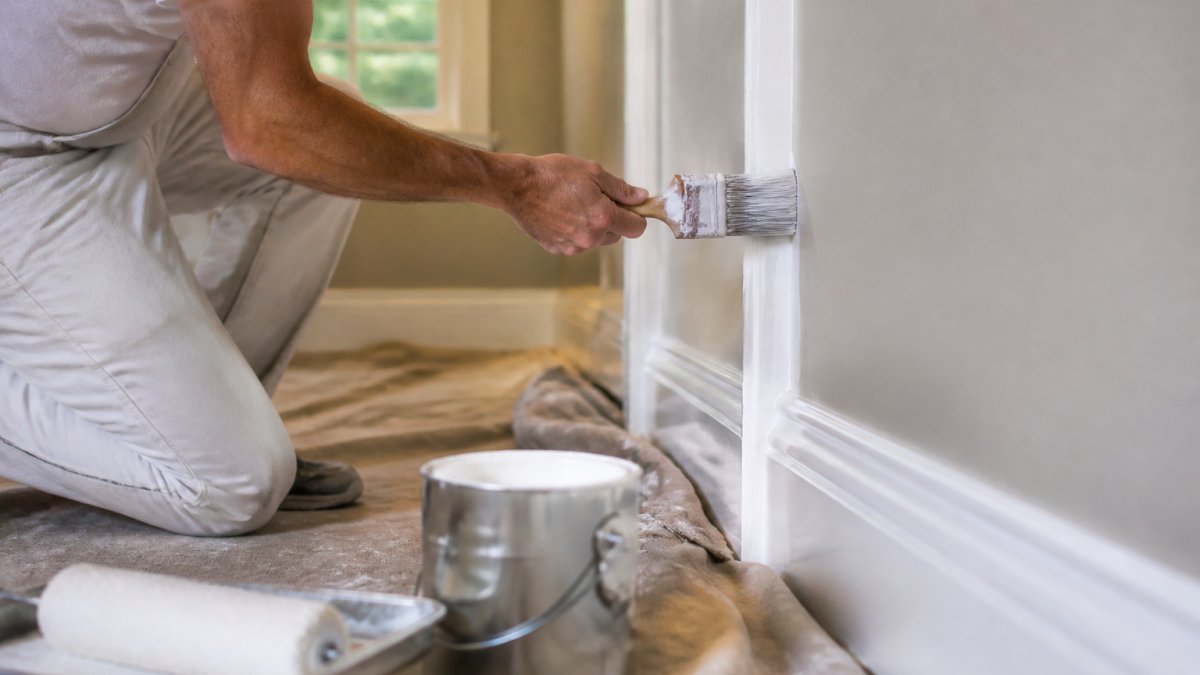
Prep is where budgets quietly go. Patching drywall, caulking gaps, sanding failing edges, and priming stains are generally necessary if you want the new coat to last.
One sequencing rule saves money: fix the floor before the walls. For a realistic sense of what professional interior painting costs and whether it pays off, check the current pricing and a quote on our website, where you can also request a free in-home estimate.
Interior Paint Finishes for Resale: Sheen Choices That Hold Up
Sheen is the most overlooked resale decision. Interior paint finishes for resale should favor durability and easy cleaning over dramatic effect. Flat paint hides wall imperfections but scuffs easily in traffic areas.
The trade-off is real: the shinier the finish, the more it reveals about drywall flaws. In an older home, that means more prep work before paint goes on. For the full breakdown of which sheen goes where, see our guide on how to choose interior paint finish.
How Light, Architecture, and Flooring Change the Right Color
A paint chip is a suggestion, not an answer. The same warm white can look creamy in a south-facing bedroom and dingy in a north-facing hallway.
Architecture matters too. Older homes with deep trim, plaster walls, and original hardwood have a different relationship to color than a newer open-plan build.
Then there is the floor. Warm undertones in the wood and warm wall colors reinforce each other; cool undertones need a cooler wall to avoid clashing.
Exterior Paint and Curb Appeal: The First Impression Buyers Judge
Curb appeal is the only paint decision a buyer makes before getting out of the car. Exterior paint should feel fresh and timeless, not trendy.
The same logic applies outside as inside: the color has to work with the roof, the stone, and the landscaping. Test exterior colors in direct sun on a large sample board, because exterior light is harsher than any interior room.
Testing Paint Colors Before You Commit to a Whole-House Palette
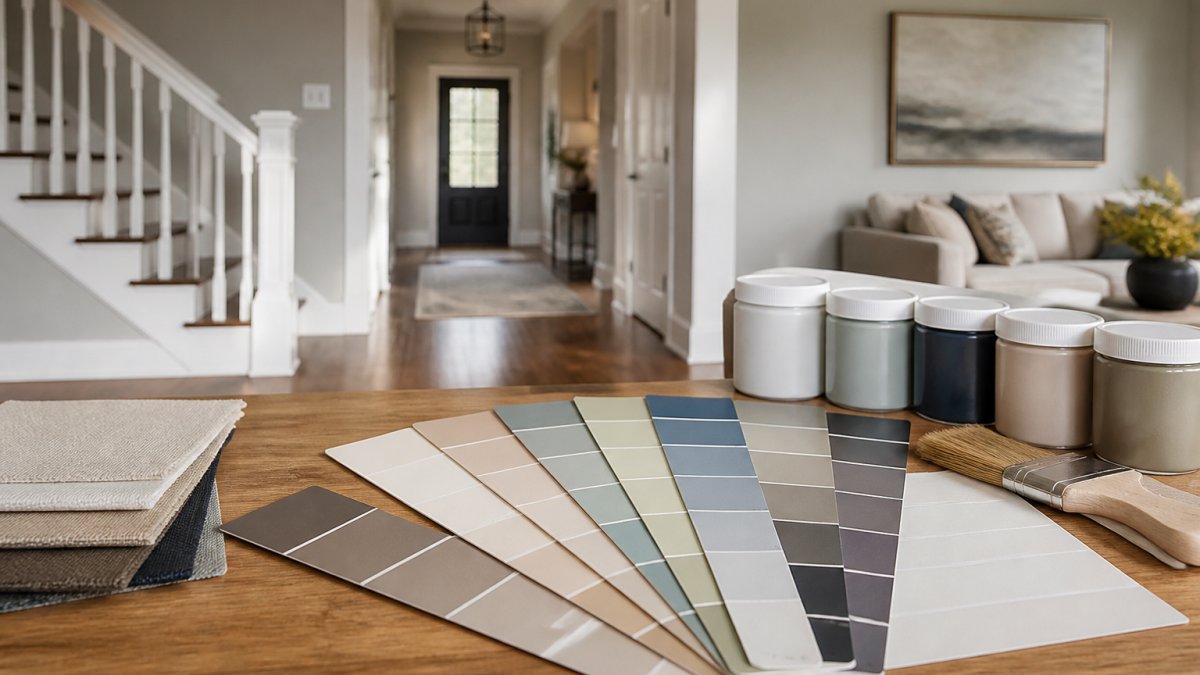
Never buy a whole-house palette off a swatch. Paint large samples, at least a couple of square feet, on multiple walls in each room, and live with them for a few days. Check them in morning light, afternoon light, and under the lamps you actually use. Colors shift.
Then check the palette as a system. Walk from room to room and confirm the transitions feel intentional rather than accidental. Write down the exact sheen and color for each room so touch-ups later match.
- Sample painted on at least two walls per room
- Reviewed in morning, afternoon, and evening light
- Checked against the floor's undertone
- Trim and door colors confirmed alongside wall color
- Whole-house transitions walked and approved
- Sheen noted per room for future touch-ups
Frequently Asked Questions
Which paint colors are best for resale value?
Warm whites, off-whites, greige, taupe, and muted sage green consistently appeal to the widest range of buyers. These neutral paint colors for selling a house let buyers picture their own furniture and decor without a strong personal color scheme getting in the way. The goal is a calm, move-in-ready look rather than a bold statement. Test a few shades on your actual walls first, because natural light and flooring tone can shift how a color reads from room to room.
Do neutral paint colors help sell a house?
Neutral colors reduce the number of buyers who rule a home out on sight. A fresh, broadly appealing neutral palette signals that the home has been maintained and is ready to move into, which matters to buyers comparing several listings. It does not guarantee a higher sale price on its own, but it removes a common objection. Pairing a neutral wall color with clean, well-kept hardwood floors strengthens that first impression.
Should every room be the same color when selling a house?
A single wall color across main living spaces creates a smooth flow that makes a home feel larger and more cohesive. Bedrooms and bathrooms can shift slightly, for example a softer off-white or a muted green, as long as the tones stay in the same family. Avoid stark contrasts between adjacent rooms. Consistent color also makes touch-ups easier and helps the home photograph well for the listing.
What interior paint finish works best for resale?
Eggshell or satin on walls gives a subtle sheen that resists scuffs and wipes clean, which suits high-traffic rooms. Flat or matte works on ceilings and low-traffic areas where hiding imperfections matters more than washability. Semi-gloss is common on trim, doors, and cabinets for durability. Choosing interior paint finishes for resale around cleanability and a fresh appearance helps the home hold up during showings and open houses.
The colors are the easy part. The hard part is timing: floors and walls have to be sequenced so neither gets ruined, and that is where most sellers lose weeks. We have spent over a decade refinishing hardwood and painting interiors across the North Shore, with free in-home estimates, dependable scheduling, and clean job sites. Get started with Hardwood Floor Refinishing & Restoration and walk into your listing with floors and walls that finally match.