 blog
7 Signs Your Hardwood Floors Need Recoating, Not Refinishing
Last Updated: November 7, 2026
Quick Summary
A professional hardwood floor recoating service adds a fresh layer of finish over an existing, intact finish after lightly abrading the surface, so it only works when wear is limited to the top coat. Choose hardwood floor recoating when floors are dull, lightly scratched, or showing thin wear paths but the wood itself is sound. Deep gouges, stains soaked into the grain, cupped boards, or peeling finish mean full refinishing instead.
- Recoating treats the top coat; refinishing sands down to bare wood, stains, and seals again.
- If your fingernail doesn't catch on the wear, you're likely a recoat candidate.
- A screen-and-recoat only bonds to certain finishes, typically polyurethane, so test a patch first.
- Water-based finishes accept light foot traffic in socks after about 24 hours.
- The most expensive mistake is recoating a floor that needed refinishing.
Table of Contents
- Why Surface Wear and Recoating Decisions Matter
- Hardwood Floor Recoating vs Refinishing: What Actually Differs
- Professional Hardwood Floor Recoating Service Cost: What Drives the Number
- The Recoating Process, Prep Work, and Finish Compatibility
- Hardwood Floor Recoating Drying Time and Room Re-Entry
- What Professional Hardwood Floor Recoating Service Reviews Reveal
- Common Recoating Mistakes That Cost Homeowners Money
- Getting a Free Estimate for Your Recoating Project
- Frequently Asked Questions
Why Surface Wear and Recoating Decisions Matter
Most hardwood floors don't fail because the wood gives out. They fail because the protective finish on top wears through, and once that layer is gone, the wood underneath starts taking damage from grit, spills, and sunlight. A professional hardwood floor recoating service exists to fix that thin top layer before it becomes a bigger problem.
Recoating typically costs less than full refinishing and takes less time. But it only works when the damage is limited to the finish. Get that call wrong and you'll either waste money on a recoat that peels, or pay for a full sanding you didn't need yet.
Below, we'll show you how to tell the difference, what generally affects price, and how to avoid the mistakes that turn a cheap fix into an expensive one.
Hardwood Floor Recoating vs Refinishing: What Actually Differs
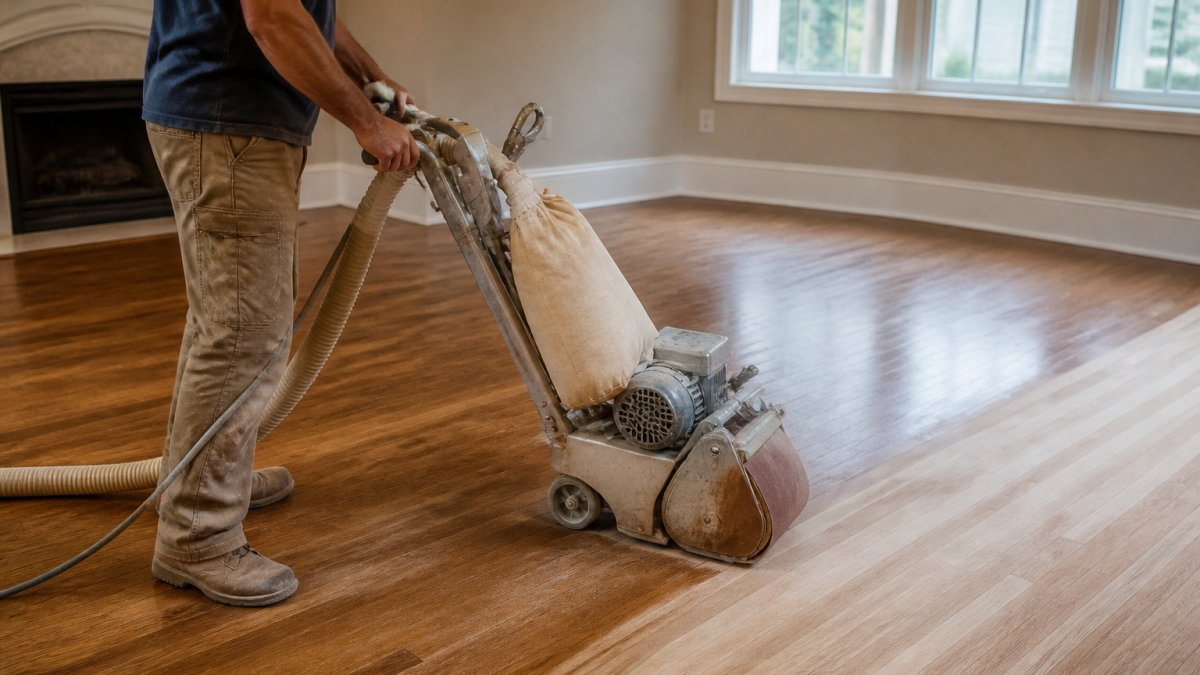
Hardwood floor recoating is a maintenance service that adds a fresh layer of finish over an existing, intact finish after lightly abrading the surface. Refinishing removes the old finish entirely by sanding down to bare wood, then stains and seals it again.
That's the whole distinction, and it drives everything else. Recoating, often called a screen-and-recoat, treats the top coat. Refinishing rebuilds the floor from the wood up.
The two services solve different problems. If you want to confirm whether your floor's symptoms point to a full refinish instead, our guide on signs your hardwood floor needs refinishing walks through the warning signs in detail.
When a Screen-and-Recoat Is the Right Call
A screen-and-recoat fits when the finish is worn but the wood is sound. Look for these signs:
- Dull floors that won't respond to cleaning or polish
- Light surface scratches in the top coat, not deep gouges in the wood
- Wear paths in doorways and hallways where the finish has thinned
- Grayish patches where the finish has eroded but the grain is intact
- No staining, warping, or cupping in the boards
If you can see the wear but your fingernail doesn't catch on it, you're likely a recoat candidate. The finish is tired, not gone.
When Full Sanding and Refinishing Is Unavoidable
Full refinishing is the only option when damage reaches the wood itself. That means:
- Deep scratches and gouges that break through to bare wood
- Water stains, pet stains, or dark spots that have soaked into the grain
- Boards that are cupped, warped, or separating
- A finish that's already peeling, flaking, or bubbling
- A color change, like going from golden oak to a darker stain
There's one more situation that forces a full refinish: an incompatible finish. If the existing coat is wax, oil, or a product the new finish won't bond to, a recoat will fail. More on that below.
Professional Hardwood Floor Recoating Service Cost: What Drives the Number
Recoating is the budget-friendly option, but the price still varies. Most homeowners want a real number before they commit, so here is the range you can expect and the factors that move it.
Recoating pricing depends on the conditions below. For current prices, see the Hardwood Floor Refinishing & Restoration pricing page or request a quote.
- Square footage. Larger areas cost more in total but often less per square foot because setup and mobilization are spread across more floor.
- Number of coats. Most recoats need two coats for a durable result. A third coat adds material and labor but extends service life in high-traffic homes.
- Prep condition. Heavy furniture, damaged boards, or repairs add labor. Moving furniture and protecting surfaces is a real cost that homeowners often overlook.
- Finish type. Water-based finishes generally cost more per gallon than oil-based, but they dry faster and allow quicker room re-entry, which can reduce labor hours.
- Access and layout. Multiple rooms, stairs, and tight spaces slow the crew down and increase the per-square-foot price.
- Adhesion testing. A proper test patch takes time but prevents failure. Contractors who skip it are not saving you money; they are transferring risk to you.
- Geographic market. Labor rates vary widely by region, and urban areas typically command higher prices than rural ones.
Full sand-and-refinish jobs cost more than recoating, which is why recoating is worth considering when your floor qualifies.
We provide free in-home estimates, since the condition of your finish determines the scope of work. The condition of your finish decides the scope, and that's something you have to see in person. Ask for a written estimate that itemizes square footage, number of coats, finish brand, and any repair work so you can compare bids fairly.
The Recoating Process, Prep Work, and Finish Compatibility
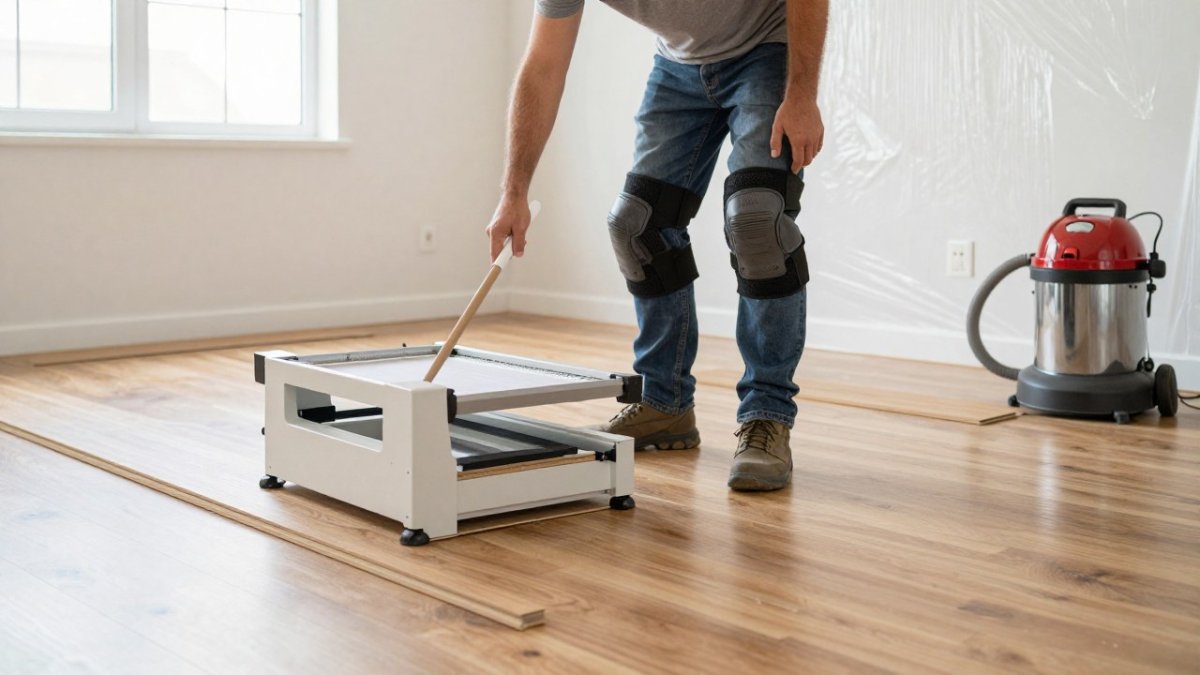
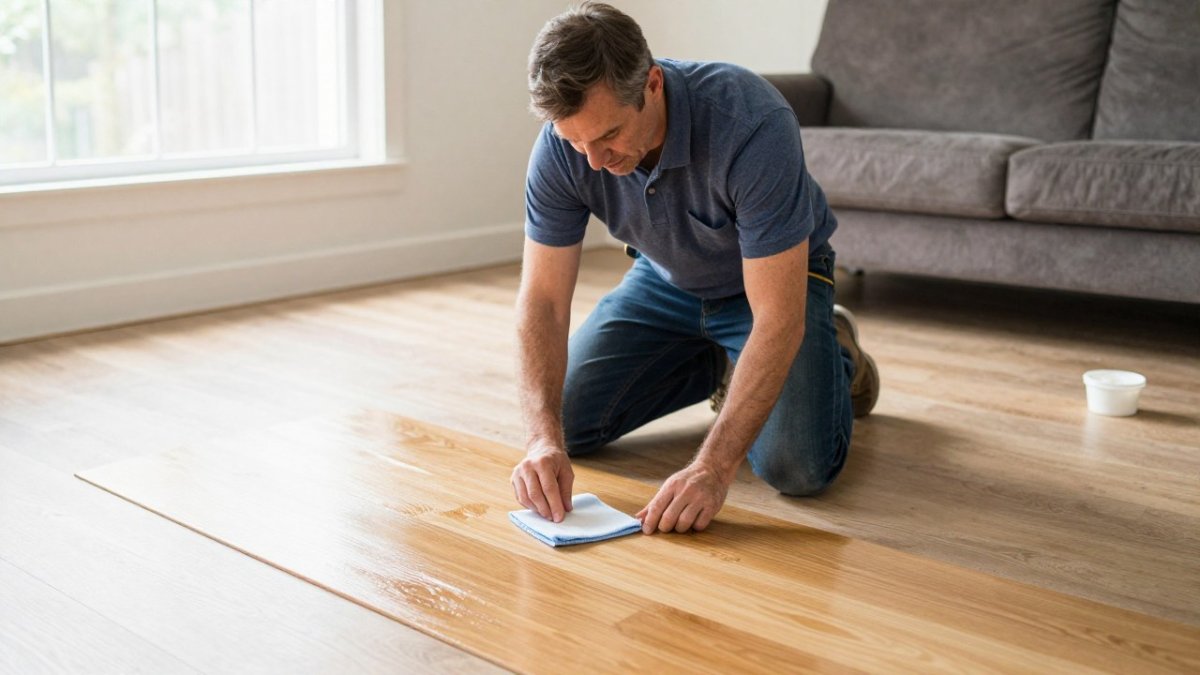
Prep is where recoating succeeds or fails. The process starts with a thorough cleaning to remove dirt, grease, and old polish residue. Then the crew screens the floor, which means lightly abrading the surface with a fine abrasive to give the new coat something to grip. After vacuuming up every trace of dust, the finish goes down.
Finish compatibility is the step most homeowners never hear about. A screen-and-recoat only bonds to certain finishes, typically polyurethane. If the floor was sealed with wax, oil, or a penetrating product, the new coat won't adhere, and you'll get peeling within months. A small test patch in a closet or corner confirms adhesion before the crew commits to the whole floor.
Hardwood Floor Recoating Drying Time and Room Re-Entry
Drying time depends on the finish, the humidity, and the air movement in your home. Understanding the difference between dry and cured is the key to protecting your new coat.
Water-based finishes typically dry to the touch in two to four hours and accept light foot traffic in socks after about 24 hours. Furniture can usually go back after 48 to 72 hours, but full cure takes five to seven days. Oil-based finishes dry much slower: light traffic may be possible after 12 to 24 hours, furniture after three to four days, and full cure after seven to ten days. These are general ranges; your contractor's product data sheet gives the exact schedule for the finish being used.
Plan for these practical steps:
- Keep rooms empty during application and initial drying. Move pets and children to another part of the home.
- Leave windows open and run fans to speed curing and reduce odor. Good ventilation also helps the finish harden evenly.
- Wait before replacing rugs. Rugs trap moisture and can soften the finish underneath, so give the floor the full cure time before covering it.
- Avoid heavy furniture on the new coat until it's fully cured. Use felt pads under legs and lift rather than slide furniture when you do move it back.
- Keep humidity moderate. High humidity slows drying and can cause a hazy or soft finish; low humidity can cause cracking.
Watch out: walking on the floor too soon with shoes or pet claws can leave permanent marks in a finish that feels dry but has not cured. When in doubt, wait another day.
For a realistic project timeline, our breakdown of painting and flooring turnaround time helps you plan around the work.
Here's how long each finish type needs before you can walk on it, put furniture back, and call it fully cured.
| Finish type | Light foot traffic | Furniture back | Full cure |
|---|---|---|---|
| Water-based | About 24 hours in socks | 48 to 72 hours | Five to seven days |
| Oil-based | 12 to 24 hours | Three to four days | Seven to ten days |
What Professional Hardwood Floor Recoating Service Reviews Reveal
Reviews tell you more than star ratings. Read for patterns: Did the crew show up when promised? Did the final quote match the estimate? Did the finish hold up a year later?
Reviews can highlight concerns about surprise costs and peeling finishes, which often relate to skipped preparation steps. When you're evaluating a contractor, our tips on hiring professional floor contractors cover the questions to ask before you sign.
Common Recoating Mistakes That Cost Homeowners Money
The most expensive mistake is recoating a floor that needed refinishing. It looks fine for a few months, then the finish peels and you pay for the full job anyway.
Other costly errors:
- Skipping the adhesion test. A test patch costs almost nothing and prevents a total failure.
- Recoating over wax or oil. The new finish won't bond.
- Inadequate cleaning. Trapped polish and grease cause flaking.
- Too few coats. One thin coat wears through fast.
- Walking on it too soon. Footprints in wet finish mean a redo.
Watch out: recoating a floor with cupped or warped boards traps moisture and makes the damage worse. Fix the moisture problem first.
Getting a Free Estimate for Your Recoating Project
The safest way to know which service you need is a professional inspection. A contractor can test adhesion, check for moisture, and tell you honestly whether a recoat will hold or whether you're looking at a full refinish.
We offer hardwood flooring services across the area, including free in-home estimates, so you get a real number based on your floor's condition. Prefer to talk it through first? Contact us to schedule your estimate.
Recoating only pays off when the diagnosis is right. Hardwood Floor Refinishing & Restoration brings over a decade of experience to every project. The company provides free in-home estimates, dependable scheduling, and clean job sites. Get started with Hardwood Floor Refinishing & Restoration and restore the shine to your floors without the cost of a full refinish.
Frequently Asked Questions
How much does it cost to recoat a hardwood floor?
Recoating costs less than a full refinish because it skips sanding down to bare wood. The final number depends on square footage, how many coats are applied, whether repairs are needed, and finish type. Hardwood Floor Refinishing & Restoration publishes current pricing on its website and provides a free in-home estimate, so you get a real figure for your project size instead of a phone guess.
How can I tell whether my hardwood floor needs recoating or refinishing?
Run a fingernail or a few drops of water across a worn spot. If the scratch catches or the water beads on top, the finish is still intact and a screen-and-recoat can restore the shine. If water soaks in, the wood is bare, or you see deep gouges, gray patches, or stains that sit below the surface, the floor needs full sanding and refinishing. A contractor can confirm with an on-site inspection.
How long should I wait before walking on a recoated hardwood floor?
Water-based finishes typically allow light foot traffic within several hours, while oil-based finishes need longer, often overnight or more. Furniture should go back only after the coating has fully cured, which can take several days. Humidity and temperature affect the schedule, so ask your contractor for a specific timeline before the crew leaves and follow it exactly.
Can every hardwood floor be recoated?
No. Recoating only works when the existing finish is intact and compatible with the new product, and when the floor has enough finish left to bond to. Floors with wax, oil-soap residue, unknown prior coatings, or widespread bare spots are usually better candidates for a full refinish. Engineered floors also have a wear layer limit, so an inspection comes first.