 listicle
Are the Benefits of Professional Interior Painting Worth It?
Last Updated: October 28, 2026
Quick Summary
Professional interior painting delivers a durable finish, properly prepped surfaces that bond, and time you don't spend on ladders. You are not paying for paint but for preparation, sequencing, and the discipline to protect everything that isn't being painted.
- Kitchen and bathroom walls typically need repainting every 4-6 years due to grease, steam, and humidity.
- Bedrooms can go 7-10 years between repaints because of low traffic and limited moisture.
- Ask for the product's VOC content in grams per liter before the job starts.
- Ventilate during and after painting, even when using low-VOC products.
- Keep children and pets out of freshly painted rooms until the coating is fully cured.
Table of Contents
- What Professional Interior Painting Actually Delivers
- 1. A Finish That Holds Up to Daily Wear
- 2. Interior Painting Preparation That Prevents Callbacks
- 3. Professional Painting vs DIY: Time, Tools, and Trade-offs
- 4. How Long Does Interior Paint Last?
- 5. How Often to Repaint Interior Walls by Room
- 6. Health, Air Quality, and Low-VOC Paint Choices
- 7. How to Evaluate an Interior Painting Estimate
- Frequently Asked Questions
What Professional Interior Painting Actually Delivers
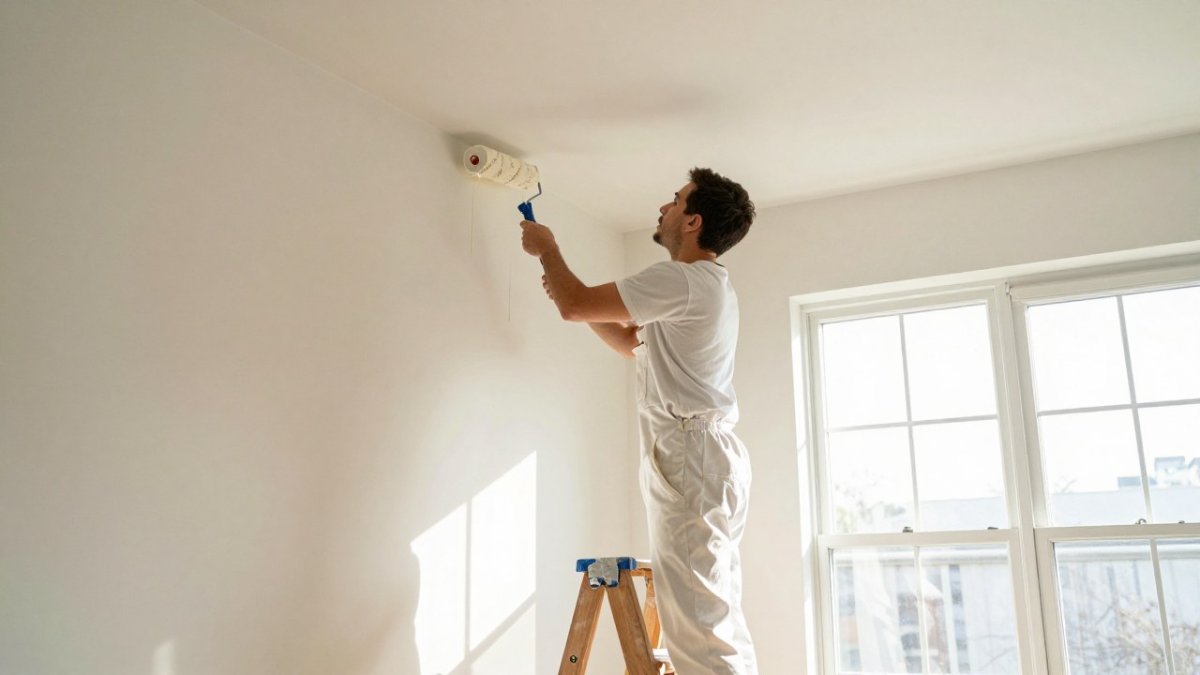
Professional interior painting is the process of hiring a trained crew to prepare, prime, and coat the interior walls, ceilings, and trim of a home, using methods that produce a durable finish and a clean job site. At Hardwood Floor Refinishing & Restoration, we refinish and restore hardwood floors across the North Shore, and we also handle interior painting for homeowners getting a house ready to list or move into.
Here's the honest version: you are not paying for paint. You are paying for preparation, sequencing, and the discipline to protect everything that isn't being painted.
The benefits cluster into a handful of practical categories: a finish that survives daily wear, surfaces that are properly prepped so the coating bonds, and time you don't spend on ladders. Below, we break down each one and where the trade-offs sit.
1. A Finish That Holds Up to Daily Wear
The visible payoff is a fresh appearance and even coverage, but the real benefit shows up months later. For help picking the right sheen for each room, see our guide to choosing interior paint finish. A properly applied coating gives walls a fresh appearance and even coverage.
2. Interior Painting Preparation That Prevents Callbacks
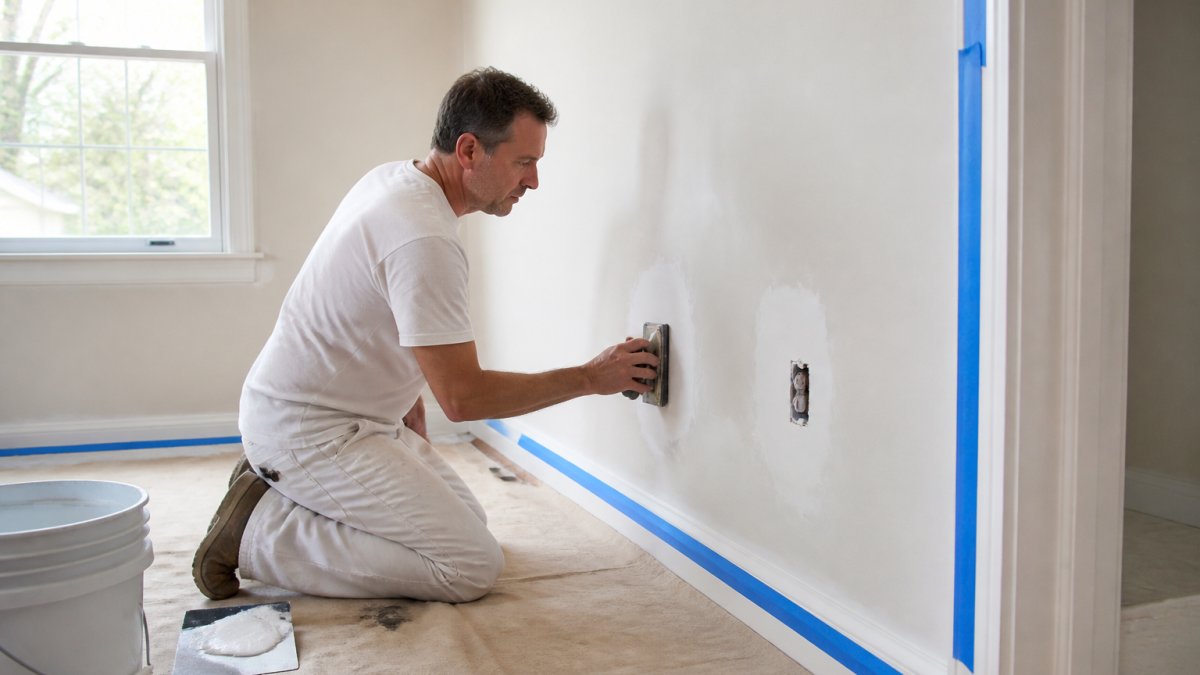
Cleanup belongs in this conversation too. A crew that bags debris, pulls tape at the right moment, and walks the rooms with you before leaving is doing the final 10% that protects the finish.
3. Professional Painting vs DIY: Time, Tools, and Trade-offs
The professional painting vs DIY decision comes down to three things: time, tools, and tolerance for rework.
4. How Long Does Interior Paint Last?
The U.S. Environmental Protection Agency's guidance on indoor air quality notes that ventilation and moisture control affect how interior surfaces and coatings perform over time, which is why bathroom and kitchen walls need different treatment than a bedroom.
5. How Often to Repaint Interior Walls by Room
| Room | Typical Repaint Interval | Why |
|---|---|---|
| Kitchen | 4-6 years | Grease film, steam, frequent wiping |
| Bathroom | 4-6 years | Humidity and moisture exposure |
| Hallways and stairs | 5-7 years | Hand contact, scuffs, wear and tear |
| Living room | 6-8 years | Moderate traffic, furniture contact |
| Bedrooms | 7-10 years | Low traffic, limited moisture |
| Ceilings | 8-12 years | Slow yellowing, low physical wear |
6. Health, Air Quality, and Low-VOC Paint Choices
The EPA's information on volatile organic compounds' impact on indoor air quality explains that concentrations indoors can run higher than outdoors and that ventilation matters as much as product choice. Practical steps we recommend:
- Ask for the product's VOC content in grams per liter before the job starts
- Ventilate during and after painting, even with low-VOC products
- Keep children and pets out of freshly painted rooms until the coating is fully cured
- Choose a low-sheen finish in bedrooms and nurseries where off-gassing is a concern
7. How to Evaluate an Interior Painting Estimate
If you're planning a refresh before a move or a listing, get in touch for a free estimate. Hardwood Floor Refinishing & Restoration offers free in-home estimates, dependable scheduling, and clean job sites.
Frequently Asked Questions
Does professional interior painting last longer than DIY painting?
The answer depends on the project and the work involved.
How do professional painters prepare interior walls?
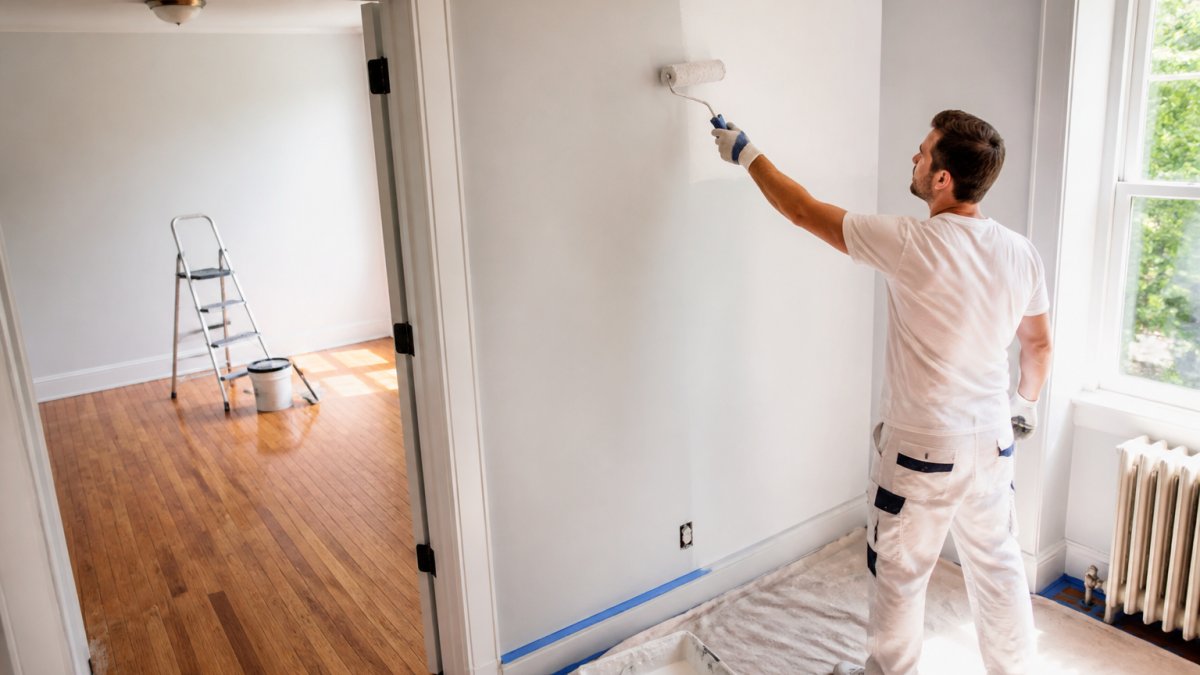
Interior painting preparation usually includes moving and covering furniture, removing outlet covers and hardware, patching holes and cracks, sanding rough spots, caulking gaps, and applying primer where needed. Walls are then cleaned so paint adheres properly. This prep work is often the most time-consuming part of the job, and it is what separates a smooth, durable finish from one that shows flaws or fails early.
How often should interior walls be repainted?
The timing depends on the room and the condition of the walls.
Can interior paint improve the look and feel of a room?
Yes. A fresh coat of paint can give a room a clean appearance.