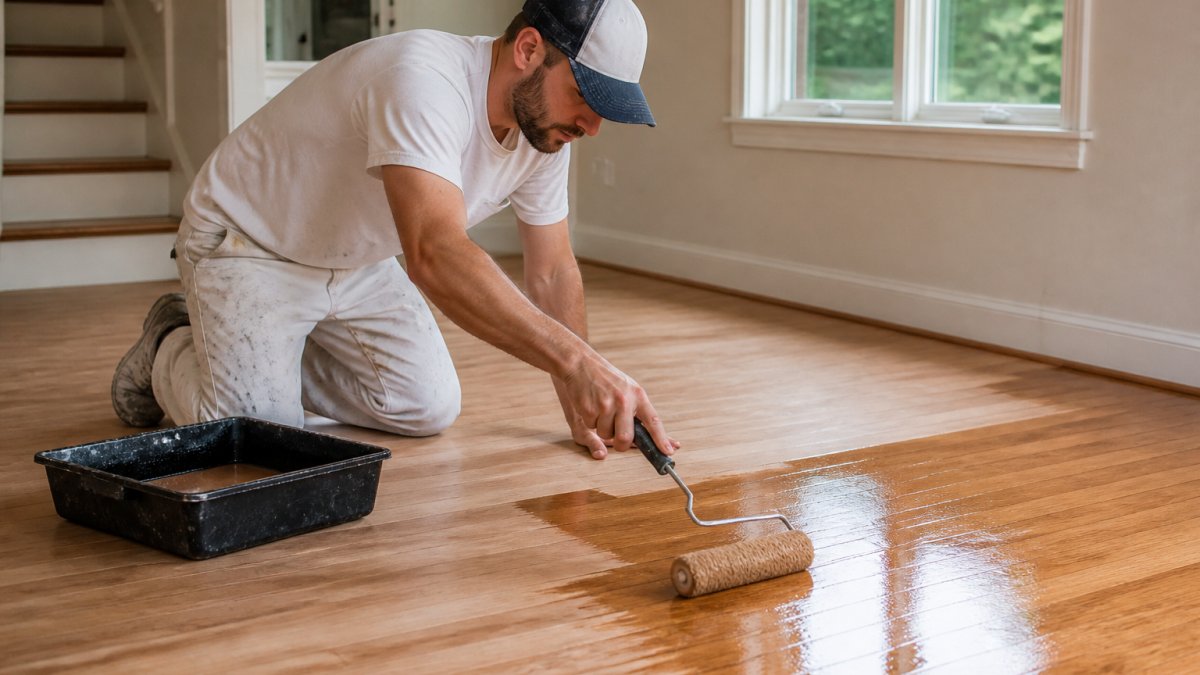
 comparison
Why Professional Painters Are Worth It: 2026 Cost Guide
Table of Contents
- Why Professional Painters Are Worth It: The Real Math
- DIY vs. Professional Painting: An Itemized Cost Comparison
- How Long It Takes to Paint a Room (and Why Timelines Slip)
- Surface Preparation, Patching, and Sanding: Where the Finish Is Won
- How to Choose a Professional Painter in Your Area
- Questions to Ask a Painter Before Hiring
- Disruption, Cleanup, and Safety: What the Estimate Doesn't Say
- Conclusion: When Hiring Professional Painters Pays Off
- Frequently Asked Questions
Last Updated: October 7, 2026
Why Professional Painters Are Worth It: The Real Math
Hiring professional painters is worth it when the cost of your time, the risk of a failed finish, and the price of correcting mistakes outweigh the labor savings of doing it yourself. This guide from Hardwood Floor Refinishing & Restoration breaks down the actual math, room by room. We have worked on North Shore homes since 2012, and we have observed how a rushed DIY job usually costs more in the end. Below, we show you exactly where the money goes and when hiring out makes sense.
The honest answer is that it depends on the job. A single closet is a weekend project. A full-room repaint with patched walls, stained trim, and a color change is a different animal.
DIY vs. Professional Painting: An Itemized Cost Comparison
Most comparisons stop at the paint aisle. The real difference shows up when you itemize the full project: materials, tools, preparation, labor, cleanup, and the value of your own time. Below is how to build that comparison for your own rooms instead of relying on a single national average.
Start by listing every cost category, then fill in your own numbers. The categories are the same whether you hire out or do it yourself; only the amounts and who absorbs them change.
| Cost Category | DIY Painting | Professional Painting |
|---|---|---|
| Paint and primer | Retail price per gallon; you estimate quantity and absorb leftover or shortfall | Contractor pricing and quantity calculated from measured wall area, coats, and surface porosity |
| Tools and equipment | Roller, brushes, tape, drop cloths, sanding block, extension pole; larger items rented or bought | Ladders, sprayers, sanders, masking film, and containment materials included in the crew's setup |
| Surface preparation | Your evenings and weekends for patching, sanding, caulking, and priming | Patching, sanding, caulking, and priming specified in the written scope |
| Labor | Your unpaid time, plus any missed work or childcare | Crew on a set schedule with a defined number of days on site |
| Cleanup and disposal | Your time, plus disposal fees or leftover paint storage | Daily cleanup and paint disposal handled by the crew |
| Redo risk | High on trim, ceilings, and color changes; you pay twice for materials and time | Covered by workmanship terms; corrections are the contractor's responsibility |
A common pattern is that the DIY column looks cheaper until you add the second trip to the store, the rented sprayer, the extra gallon for a color change, and the weekend you lose. The gap often narrows most on small, sound rooms and widens on projects with heavy prep, high ceilings, or detailed trim.
To make the comparison concrete, run it room by room. For a standard bedroom with sound walls and a single color, the material list is short and the prep is light, so DIY can make sense if your weekends are genuinely free. For a kitchen with cabinet fronts, patched drywall, and a color change, the prep and detail work dominate, and the professional column often wins on total cost once you count your time and the risk of a failed finish.
Two line items are easy to miss. First, paint quantity: buying too little means a second trip and a possible color mismatch between batches; buying too much leaves you storing or disposing of partial gallons. Second, surface repair: a wall that needs skim coating or a ceiling with water stains adds prep hours that no paint can hide.
If you are also refinishing hardwood floors, sequence matters for cost. Paint the walls before the floors are sanded and finished, so dust and drips do not land on a fresh floor finish and force a redo. That sequencing alone can save a full day of correction work.
How Long It Takes to Paint a Room (and Why Timelines Slip)
A single room typically takes a professional crew one to two days, while the same room can take a homeowner several weekends. The gap comes from drying time between coats, curing before furniture goes back, and the prep that always takes longer than expected.
Timelines slip for predictable reasons. Paint needs time to dry before the next coat. Walls need patching and sanding before primer. Trim and doors need to come off and go back on.
A common mistake is planning the whole house around one free weekend. That plan fails by Saturday afternoon.
If you are moving into a home or listing one, the schedule matters more than the savings. A crew that shows up on time and finishes on time is worth real money when a closing date is on the line.
Surface Preparation, Patching, and Sanding: Where the Finish Is Won
Surface preparation decides how the finish looks and how long it lasts. Patching holes, sanding glossy surfaces, and priming bare spots are what separate a crisp result from a peeling one six months later.
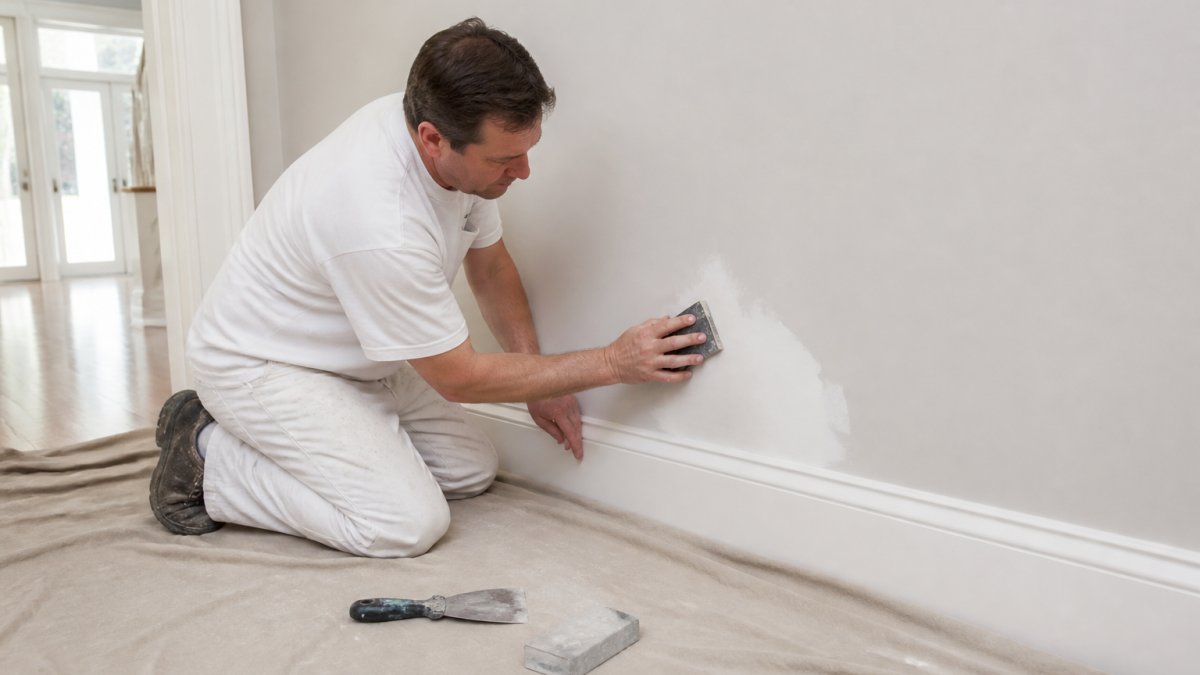
Prep work is where DIY jobs cut corners without meaning to. Sanding a wall smooth takes patience. Caulking trim lines takes a steady hand. Skipping either shows up under bright light.
The same principle applies to wood surfaces. A floor that gets sanded properly before finishing holds its color and sheen far longer than one that gets a quick scuff and a coat. The U.S. EPA guidance on lead-safe renovation matters here too, since homes built before 1978 can contain lead paint that requires certified handling during sanding and prep.
How to Choose a Professional Painter in Your Area
Choosing a professional painter comes down to comparing written scopes, not comparing verbal promises. The goal is to evaluate every estimate against the same checklist so you can see what is included, what is excluded, and what happens if something goes wrong.
Use this checklist when you review each quote:
- Scope of work: Which rooms, which surfaces, and how many coats of paint and primer are included? Ask whether ceilings, trim, doors, and closets are in or out.
- Surface preparation: Is patching, sanding, caulking, and priming listed as a line item, or is it assumed? Preparation is where cheap quotes cut corners.
- Paint specifications: Which product lines and sheens are specified? Ask for the manufacturer and product name so you can compare like for like.
- Insurance and licensing: Ask for a certificate of insurance directly, not a verbal yes. A legitimate contractor emails it the same day.
- Warranty and workmanship terms: What happens if the finish fails within the first year? Get the answer in writing.
- References: Ask to speak with a recent customer, not just read a review. Ask whether the crew showed up when promised and whether the final bill matched the estimate.
- Exclusions: What is not included? Furniture moving, paint disposal, and drywall repair are common exclusions that change the total cost.
- Schedule: What is the start date, and how many days will the crew be on site? A clear schedule protects your move-in or listing date.
A painter who walks the space with you and points out problem areas before quoting is giving you an estimate. A painter who quotes from the driveway is giving you a guess.
The Federal Trade Commission guidance on home improvement contracts is worth reading before you sign, especially around cancellation rights and written estimates. For homes built before 1978, ask how the crew handles lead-safe renovation practices during sanding and prep; the U.S. EPA guidance on lead-safe renovation explains why certified handling matters.
At Hardwood Floor Refinishing & Restoration, we give free in-home estimates and put the scope in writing, so there are no surprise line items later. We have completed over 75 reviews' worth of local jobs since 2012, and we schedule around your move-in or listing date.
Questions to Ask a Painter Before Hiring
Ask these questions before you sign anything. The answers tell you more than the price on the estimate.
- How many coats of paint and primer are included?
- Who handles patching, sanding, and caulking, and is it in the written scope?
- What is the start date, and how many days will the crew be on site?
- Are you licensed and insured, and can you provide a certificate?
- How do you handle cleanup and paint disposal?
- What happens if the finish fails within the first year?
The Federal Trade Commission guidance on home improvement contracts is worth reading before you sign, especially around cancellation rights and written estimates.
Disruption, Cleanup, and Safety: What the Estimate Doesn't Say
The estimate rarely mentions the daily reality: furniture moved, rooms unusable, fumes, and dust. Planning for that disruption is part of deciding whether to hire out.
Professional crews mask floors, cover furniture, and ventilate the space. They also handle ladder work, which is where most DIY injuries happen. Safety and liability are real line items even when they are not written down.
If you are also refinishing hardwood floors, timing the two projects together saves disruption. Paint the walls before the floors get sanded and finished, so dust and drips do not land on a fresh finish.
Cleanup is the other hidden cost. Paint disposal, tape removal, and touch-ups take hours. A crew builds that into the schedule; a homeowner usually does not.
Conclusion: When Hiring Professional Painters Pays Off
The math favors hiring professional painters when the job involves real prep work, tight timelines, or a finish you need to last. It favors DIY when the room is small, the walls are already sound, and you genuinely have the weekends to spare.
If you are prepping a home to sell or moving in soon, the schedule alone usually settles it. Hardwood Floor Refinishing & Restoration offers free in-home estimates, written scopes, dependable scheduling, and clean job sites, plus interior painting alongside our floor refinishing work. Get started with Hardwood Floor Refinishing & Restoration and get a finish that holds up long after the paint dries.
Frequently Asked Questions
Is it worth getting a professional painter?
It depends on the project. For a single accent wall or a quick touch-up, DIY can make sense. For full-room projects, ceilings, trim, cabinet painting, or exterior painting, professional painters usually justify the cost through better surface preparation, consistent coverage, crisp lines, and a finish that holds up longer. They also carry insurance and handle cleanup, so you avoid the hidden costs of fixing a failed paint job later.
What do professional painters do that DIY painters might miss?
The biggest gaps are surface preparation and paint selection. Pros patch and sand uneven areas, fill nail holes, caulk gaps, and prime bare or repaired spots before a single coat goes on. They also match the right primer and paint to each surface, such as stucco, wood trim, or previously painted cabinets, and they control the number of coats for even coverage. Skipping these steps is the most common reason a DIY paint job looks uneven within a year.
How do you compare DIY painting with hiring a professional?
Add up everything, not just the paint. DIY costs include tools and equipment (rollers, brushes, tape, drop cloths, sanding supplies), primer, and your own time across prep, painting, and cleanup. Professional painting quotes bundle labor, materials, surface repair, and cleanup into one project cost. Compare the two against your timeline and how much you value a durable, consistent finish, then decide which trade-off fits your budget.
What should you ask before hiring a professional painter?
Ask for a written, itemized estimate that separates labor costs from materials, and confirm what surface preparation is included. Request proof of insurance and a few local references you can call. Ask who will actually do the work, how many coats are planned, what paint and primer they will use, and how they handle change orders if hidden damage turns up. A painter who answers these clearly is usually a safer hire.