 blog
Professional Painting Services Beverly MA: 2026 Guide
Table of Contents
- What to Look for in Professional Painting Services in Beverly MA
- Your Painting Estimate Checklist: What Every Quote Should Include
- Questions to Ask a Painting Contractor Before You Sign
- How Long Does It Take to Paint a House? Interior and Exterior Timelines
- Hardwood Floor Refinishing Timeline: Fitting Floors and Paint Into One Schedule
- Interior Painting, Cabinet Painting, and Surface Preparation in Older North Shore Homes
- Conclusion: How to Hire Professional Painting Services With Confidence
- Frequently Asked Questions
Last Updated: October 12, 2026
What to Look for in Professional Painting Services in Beverly MA
Hiring professional painting services in Beverly MA comes down to three things: verified licensing and insurance, a written estimate with itemized line items, and a contractor who will put the schedule in writing. Everything else is noise. This guide from Hardwood Floor Refinishing & Restoration walks through what separates a contractor you can trust from one you'll regret.
We've been working in North Shore homes since 2012, and we've seen what happens when homeowners skip the vetting step. The pattern is consistent: vague quotes, missed start dates, surprise charges.
Licensing, Insurance, and Written Contracts
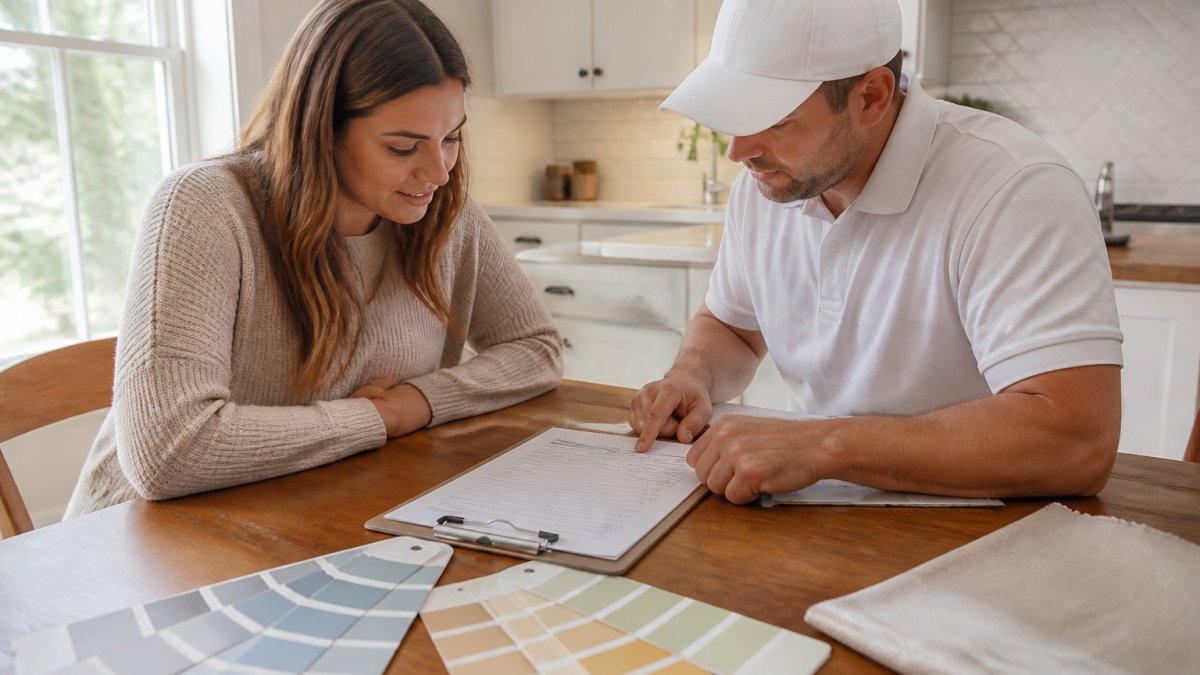
Massachusetts requires home improvement contractors to register with the state and carry a written contract for jobs above a set threshold. Ask for the registration number before anything else. Then ask for a certificate of insurance showing both general liability and workers' compensation coverage.
A contractor who hesitates on either request is telling you something. Move on.
The written contract should spell out the scope, the start and end dates, the payment schedule, and who handles cleanup. Verbal agreements are worthless when a dispute comes up.
Your Painting Estimate Checklist: What Every Quote Should Include
A real painting estimate lists square footage, surface preparation steps, number of coats, paint brand and finish, and a line for labor versus materials. A guess just says "paint the house" with one number attached.
Here's the checklist we suggest homeowners use when comparing quotes:
- Square footage broken out by room or elevation
- Surface preparation scope (sanding, patching, caulking, priming)
- Number of finish coats specified
- Paint brand, product line, and sheen
- Labor and materials listed separately
- Power washing included for exterior work
- Protection of floors, furniture, and landscaping
- Cleanup and debris removal
- Payment schedule tied to milestones
- Warranty terms in writing
What Drives the Price Up or Down
Most painting contractors price by the square foot of paintable surface, but the number that matters is what's included. A common pattern is that exterior quotes range widely because prep work varies enormously. A house with peeling paint, rotten trim, and failed caulk may need twice the labor of a well-maintained home of the same size.
Key cost drivers to ask about:
- Surface condition: How much patching, sanding, or priming is needed? A quote that assumes minimal prep will be lower, and will fail sooner.
- Height and access: Two-story foyers, steep rooflines, and dormers require scaffolding or lifts, which add labor and equipment costs.
- Paint quality: A premium 100% acrylic latex costs more per gallon but often lasts years longer than a builder-grade product. Ask for the specific product name and sheen.
- Number of colors: Multiple colors on walls, trim, and ceilings increase masking and cutting-in time.
- Lead-safe practices: For pre-1978 homes, federal rules require certified renovators and specific containment. This adds cost but is non-negotiable for safety and compliance.
How to Compare Quotes Side by Side
When you have three estimates, don't just look at the bottom line. Create a simple grid with these columns: Prep scope, Coats, Paint brand, Warranty, Payment schedule. If one quote is dramatically lower, it will usually have a gap in one of those columns, often prep or the number of finish coats.
Ask each contractor to explain what they excluded. A written scope that says "paint all exterior surfaces" without mentioning caulking or priming is a red flag. The cheapest bid is rarely the lowest total cost once you factor in how long the finish lasts.
Ask each contractor to walk you through their prep process. The answer tells you more than the price.
Questions to Ask a Painting Contractor Before You Sign
Five questions separate a prepared contractor from a salesperson with a ladder. Ask them before you sign anything.
- Who will actually be on site? Employees or subcontractors? Get names.
- What's the daily schedule? Start time, end time, and how many days.
- How do you handle change orders? Written approval before extra work, or verbal?
- What happens if it rains? For exterior work, the plan matters.
- Can I talk to a recent local customer? Not a review. A phone call.
That last one is the most revealing. A contractor with real local references will hand over names without hesitation.
At Hardwood Floor Refinishing & Restoration, we provide free in-home estimates and walk through every line item before work begins. No surprises, no vague numbers.
How Long Does It Take to Paint a House? Interior and Exterior Timelines
It depends on size, prep, and weather. A single interior room typically takes one to two days including prep and drying. A full interior on a mid-size home usually runs five to ten working days. Exterior work on a typical North Shore house takes one to three weeks, weather permitting.
| Project Type | Typical Duration | Key Variable |
|---|---|---|
| Single room interior | 1-2 days | Prep and drying time |
| Full interior, mid-size home | 5-10 days | Number of rooms, trim detail |
| Exterior, single-family home | 1-3 weeks | Weather, siding condition |
| Cabinet painting | 3-5 days | Cure time between coats |
| Power washing only | Half day | Square footage |
A Step-by-Step Look at the Process
Understanding the sequence helps you plan around the work. A typical professional painting project follows these phases:
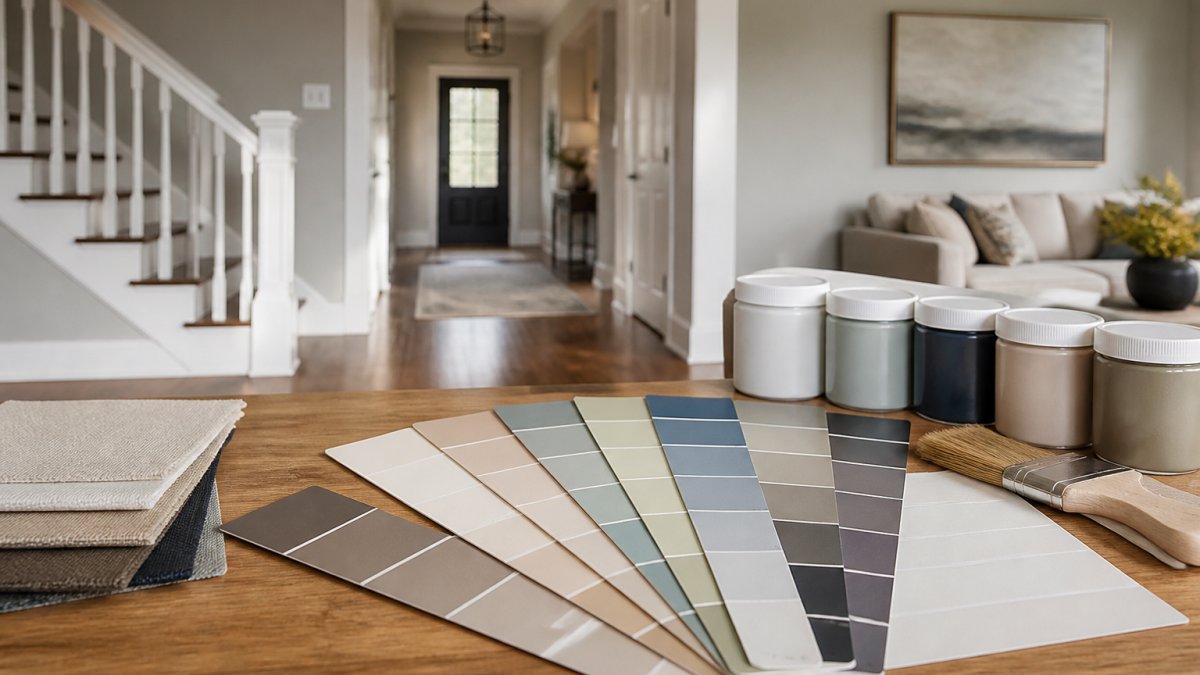
- Consultation and color selection: Walkthrough, measurements, and finish choices. This may take a few days if you need large color samples on the wall.
- Surface preparation: Power washing (exterior), scraping, sanding, patching, caulking, and priming. This is often the longest phase and the one most likely to reveal surprises like rot or lead paint.
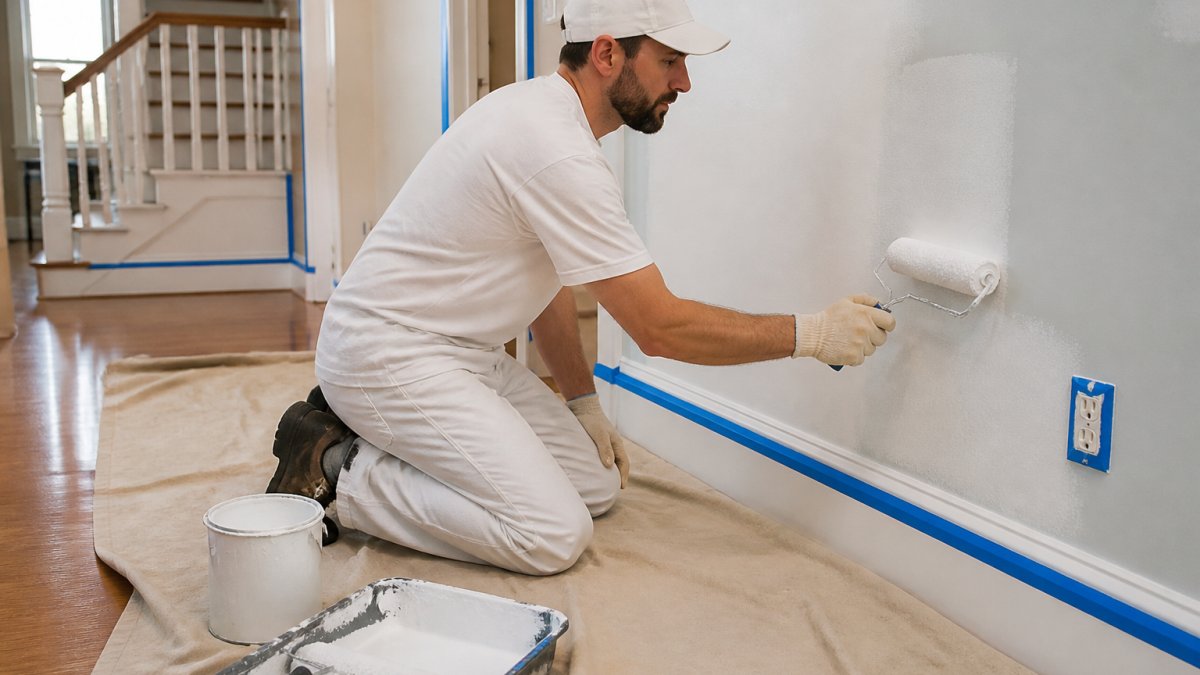
- Masking and protection: Covering floors, furniture, and landscaping. Usually a half-day to a day.
- Painting: Applying finish coats. Drying time between coats depends on humidity and temperature, typically 2-4 hours for latex, longer for oil-based.
- Cleanup and inspection: Removing tape, cleaning surfaces, and a final walkthrough with the homeowner.
What Slows a Painting Project Down
Weather is the obvious one for exteriors. Rain, high humidity, and cold overnight temperatures all push the schedule. Less obvious: deferred maintenance. Rotting trim, failing caulk, and peeling layers add prep days nobody budgeted for.
Older North Shore homes carry another variable. Lead paint is common in pre-1978 housing, and disturbing it requires specific handling under federal rules. A contractor who doesn't ask about the age of your home before quoting is a red flag.
How to Keep the Project on Track
Ask for a written schedule with start and end dates, and a daily start time. Confirm who will be on site each day. If the contractor is juggling multiple jobs, your project may stretch. A clear communication plan, who to call with questions, how change orders are approved, prevents most delays.
Hardwood Floor Refinishing Timeline: Fitting Floors and Paint Into One Schedule
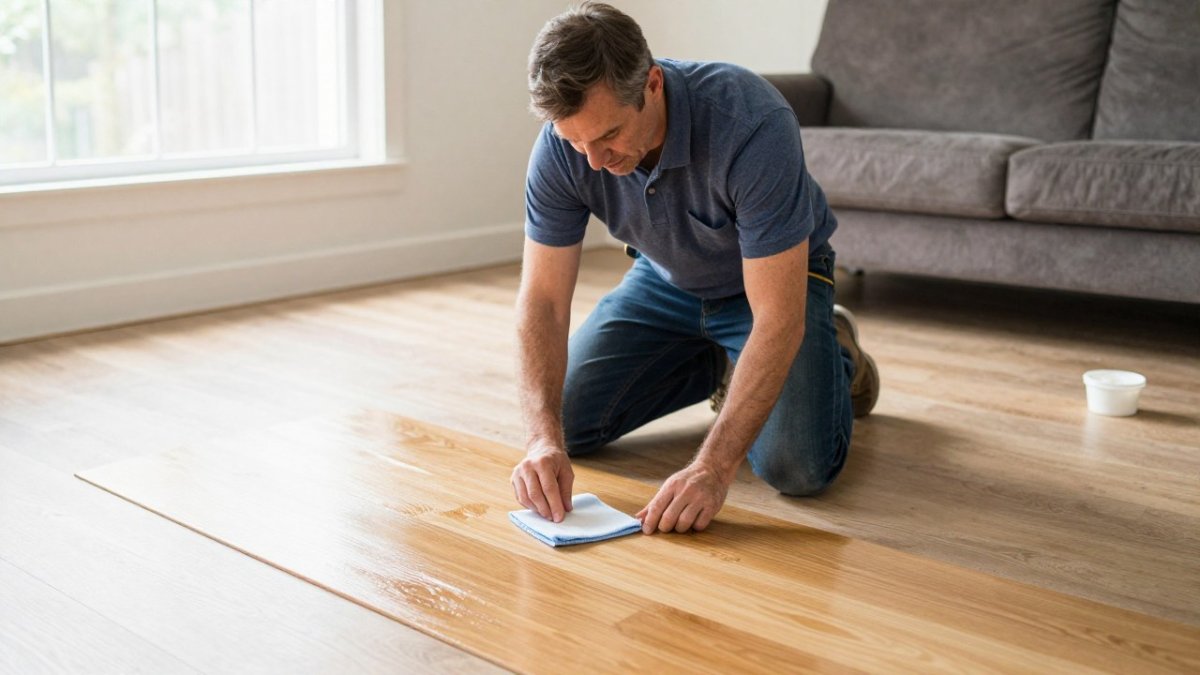
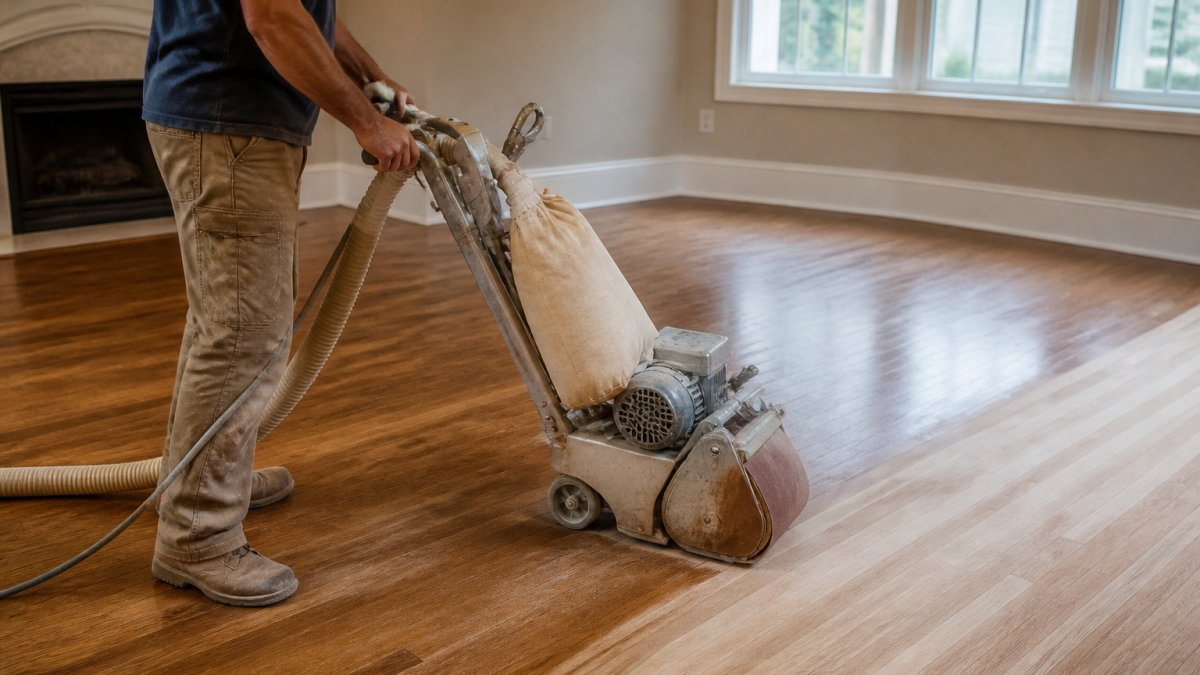
Painting and floor refinishing should not run at the same time. Sanding throws dust, and wet paint collects it. Sequence them: paint first, floors second, then a final touch-up pass on trim.
A typical hardwood floor refinishing timeline runs three to five days for sanding, staining, and finishing, plus cure time before furniture goes back. If you're coordinating both projects before a move or listing, build in a full two weeks.
This is where a single contractor handling both trades saves you real headaches. ScreenCoat Painting & Flooring manages interior painting and hardwood floor refinishing on the same schedule, so you're not chasing two companies for a timeline that has to line up.
Interior Painting, Cabinet Painting, and Surface Preparation in Older North Shore Homes
Older homes need more prep, and that's not a sales pitch. Plaster walls crack. Trim has decades of paint layers. Cabinets have grease film that blocks adhesion unless it's cleaned properly.
Skipping prep on a 1920s Beverly colonial means the finish fails in a year. Doing it right means it holds for a decade or more.
Walls, Trim, Ceilings, and Cabinets
Each surface takes a different approach. Walls need patching and sanding. Trim needs caulking and often a bonding primer. Ceilings hide water stains that bleed through finish coats without a stain-blocking primer. Cabinets need degreasing, sanding, and a hard-curing finish built for daily handling.
Conclusion: How to Hire Professional Painting Services With Confidence
The hardest part of hiring a painter isn't finding one. It's knowing which one will show up on time, stick to the quote, and do prep work you'll never see but will absolutely notice in two years.
At Hardwood Floor Refinishing & Restoration, we provide free in-home estimates, careful preparation, dependable scheduling, clean job sites, clear communication, and professional craftsmanship. Interior painting is also available. If you're prepping a North Shore home for sale or move-in, get started with us and get both projects finished on one timeline.
Frequently Asked Questions
What should a painting estimate include?
A complete estimate should list surface preparation, power washing for exteriors, primer and paint products by name, number of coats, protection of floors and furniture, and a cleanup plan. It should also state the crew size, start and finish dates, and payment schedule. Ask whether the quote covers minor drywall or trim repair, since those items are often added later. Request the estimate in writing before any work begins.
How long does it take to paint the interior of a house?
Most interior painting projects run two to five days for a few rooms, and one to two weeks for a whole house. The range depends on square footage, ceiling height, how much trim and cabinetry is involved, and how much surface preparation the walls need. Older homes often need patching, sanding, and priming before paint goes on, which adds days. Ask your contractor for a written schedule with daily milestones.
Can painting and hardwood floor refinishing be scheduled together?
Yes, and sequencing matters. Floor sanding creates fine dust, so painting usually happens first or the floors are covered and protected during paint work. Refinishing then runs after paint has cured, with a buffer period before furniture returns. A contractor who handles both trades can stagger the work so you are not paying for two separate mobilizations or waiting weeks between crews.
How do I choose a professional painting contractor?
Start with proof of licensing and insurance, then ask for local references you can actually call. Read recent reviews for patterns around punctuality, cleanliness, and how change orders were handled. Get at least three written estimates and compare line items, not just totals. A contractor who walks you through surface preparation, product choices, and a written timeline is usually the safer hire.
Have a project in Beverly or anywhere on the North Shore? Call or text to book a free no-obligation estimate.